Skip to content
Diagram Academy: Learn through diagrams of all subjects

Diagram Academy: Learn through diagrams of all subjects

  • Biology Diagrams
  • Chemistry Diagrams
  • Physics Diagrams

Sana Sehar

Orbital Diagram of Strontium
May 6, 2024 by Sana Sehar
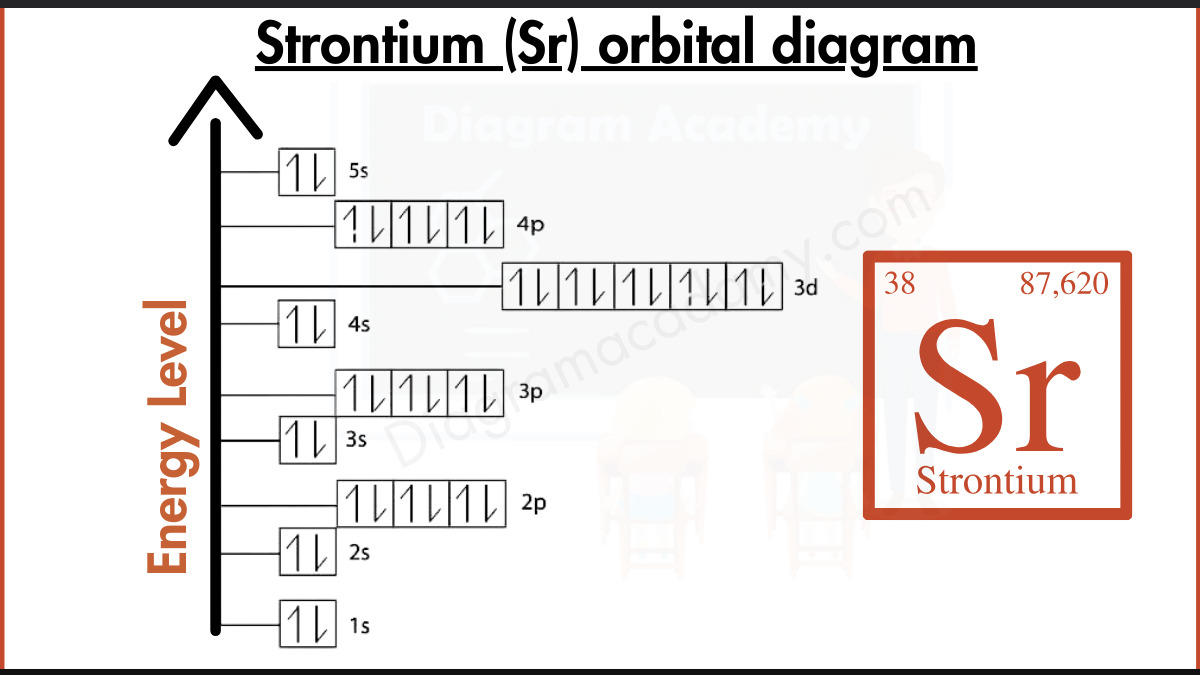
Image Showing Orbital Diagram of Strontium

How to write the Orbital Diagram for Strontium? Strontium (Sr) packs 38 electrons around its nucleus. The inner shells get filled first, like guests arriving at a party. Two electrons cozy up in the closest spot, followed by 8 in the next ring. Deeper inside, 18 electrons fill another shell. Finally, out on the dance … Read more
Categories Chemistry Diagrams Tags Chapter - Orbital Diagrams of Elements Leave a comment

Orbital Diagram of Zinc

May 6, 2024 by Sana Sehar
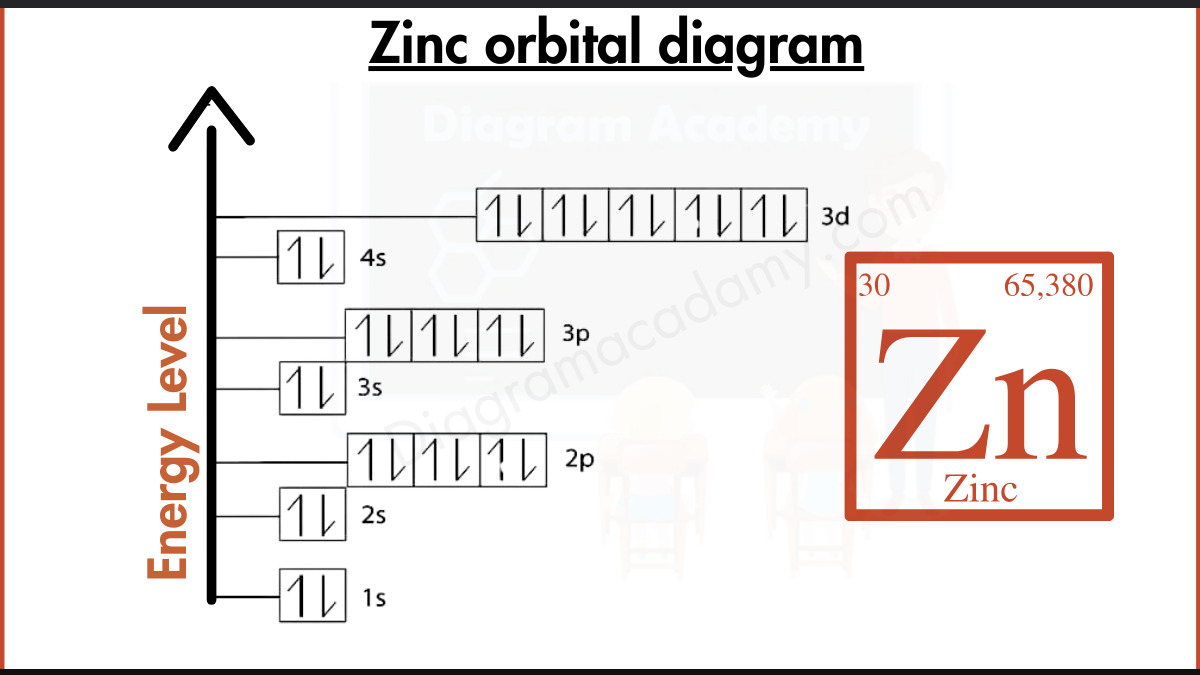
Image showing Orbital Diagram of Zinc

How to write the Orbital Diagram for Zinc? Zinc crams 30 electrons around its core. The closest shell holds 2, the next 8, and a deeper shell stashes 18. Out on the frontier, the outermost shell holds the key players: 2 valence electrons responsible for zinc’s bonding with other elements.

Categories Chemistry Diagrams Tags Chapter - Orbital Diagrams of Elements Leave a comment

Orbital Diagram of Magnesium

May 4, 2024 by Sana Sehar
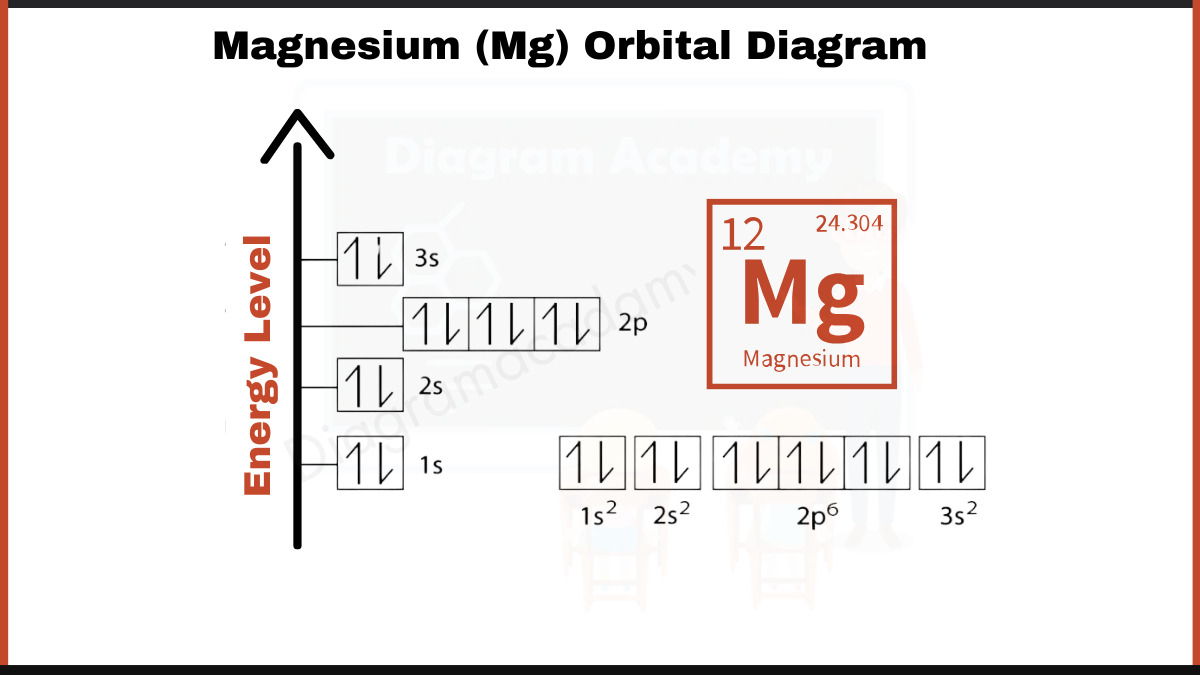
Image showing Orbital diagram of Magnesium

How to write the Orbital Diagram for Magnesium? Magnesium (Mg) has 12 electrons. They fill shells in a specific order: [2, 8, 2]. The first number, 2, represents the two electrons in the innermost shell closest to the nucleus. The second number, 8, corresponds to the eight electrons in the next shell. The final 2 … Read more

Categories Chemistry Diagrams Tags Chapter - Orbital Diagrams of Elements Leave a comment

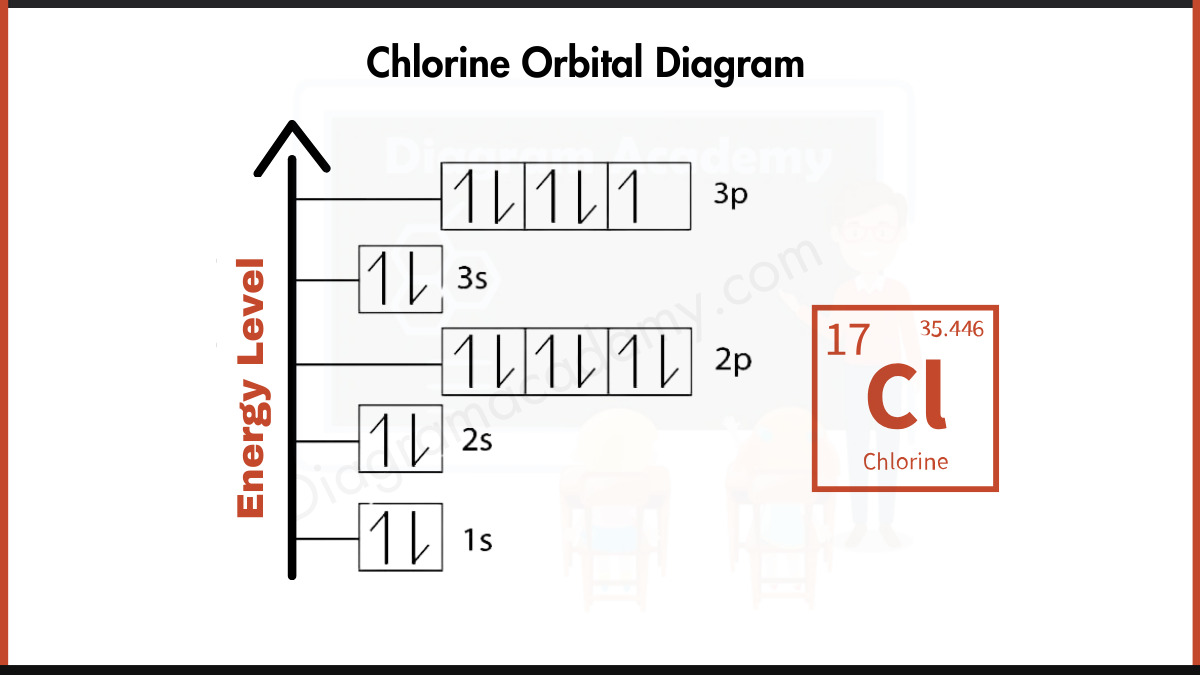
Orbital Diagram of Chlorine

May 4, 2024 by Sana Sehar
Image showing Orbital Diagram of Chlorine

How to write the Orbital Diagram for Chlorine? Chlorine (Cl) has 17 electrons. They fill shells around the nucleus following a specific order. In simpler terms, imagine these electrons filling buckets layer by layer. Chlorine has 2 electrons in the first layer (1s), 8 in the second (2s and 2p), and the remaining 7 electrons … Read more

Categories Chemistry Diagrams Tags Chapter - Orbital Diagrams of Elements Leave a comment

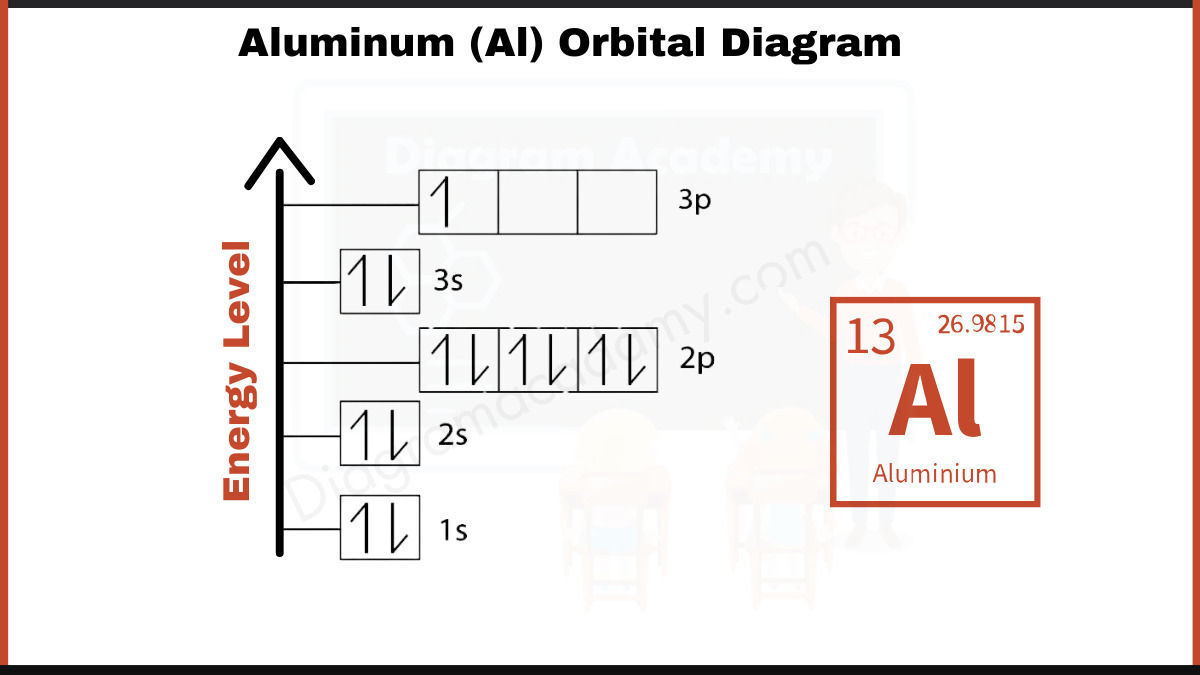
Orbital Diagram of Aluminium

May 4, 2024 by Sana Sehar
Image showing Orbital Diagram of Aluminium

How to write the Orbital Diagram for Aluminium? Aluminum (Al) has 13 electrons. They fill shells in a specific order: [2, 8, 3]. The first number, 2, represents the electrons in the first shell closest to the nucleus. The second number, 8, represents the electrons in the second shell. The last number, 3, represents the … Read more

Categories Chemistry Diagrams Tags Chapter - Orbital Diagrams of Elements Leave a comment

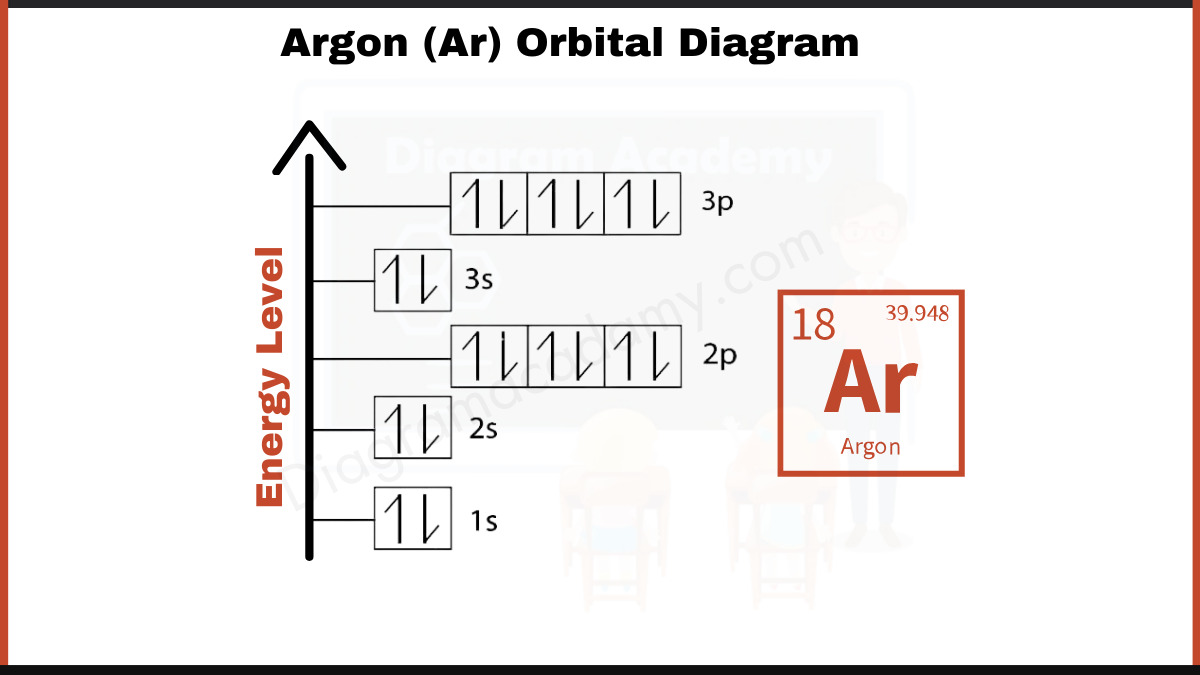
Orbital Diagram of Argon

May 4, 2024 by Sana Sehar
Image showing Orbital Diagram of Argon

How to write the Orbital Diagram for Argon? Argon (Ar) has 18 electrons. They fill shells in a specific order, but unlike some other elements, Argon has a particularly stable configuration. All its electrons fit comfortably within the first three shells, resulting in a full outer shell. This complete outer shell is why Argon is … Read more

Categories Chemistry Diagrams Tags Chapter - Orbital Diagrams of Elements Leave a comment

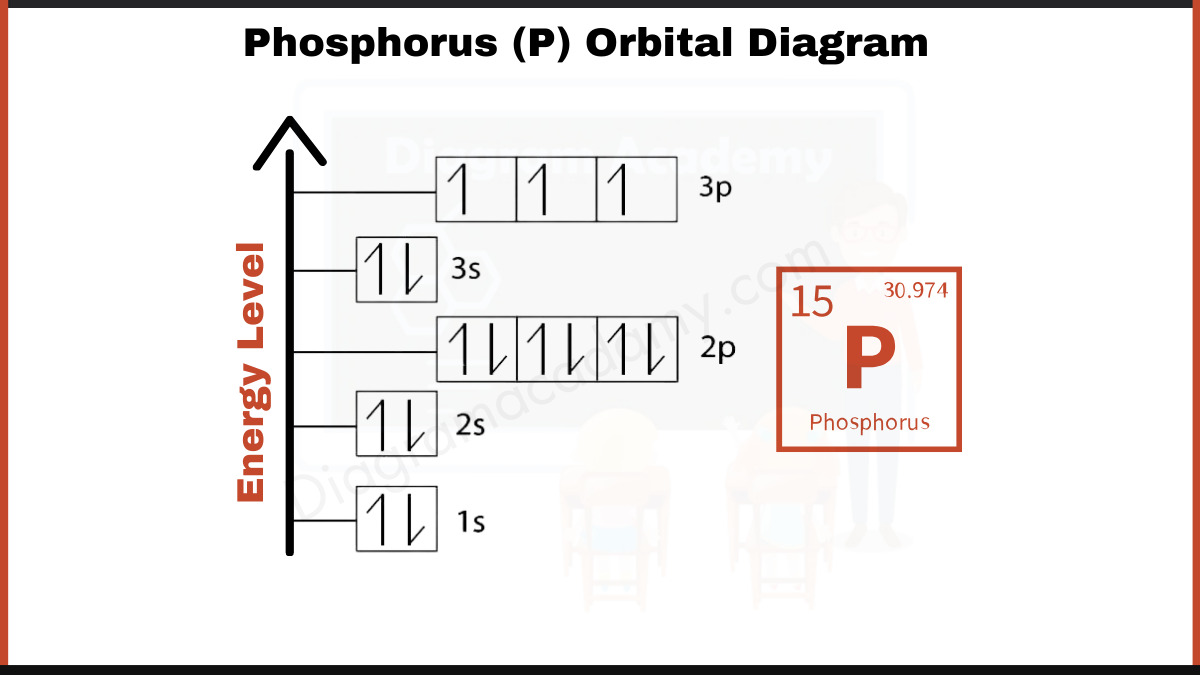
Orbital Diagram of Phosphorus

May 4, 2024 by Sana Sehar
Image showing Orbital Diagram of Phosphorus

How to write the Orbital Diagram for Phosphorus? Phosphorus (P) has 15 electrons. They fill shells in a specific order: [2, 8, 5]. This means the first shell holds 2 electrons, the second shell holds 8 electrons, and the third shell has the remaining 5 electrons. This shorthand notation is a way to efficiently describe … Read more

Categories Chemistry Diagrams Tags Chapter - Orbital Diagrams of Elements Leave a comment

Orbital Diagram of Potassium

May 4, 2024 by Sana Sehar
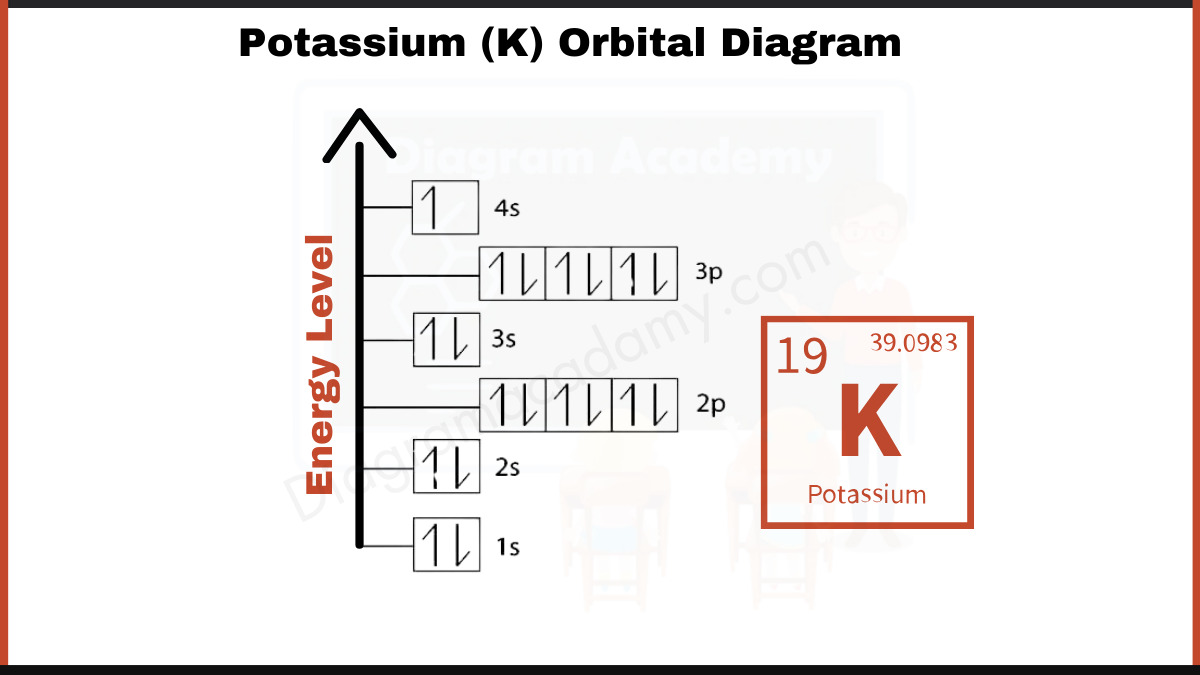
Image Showing Orbital Diagram of Potassium

How to write the Orbital Diagram for Potassium? Potassium (K) has 19 electrons. They fill shells in a specific order: [2, 8, 8, 1]. The first number, 2, represents the electrons in the innermost shell closest to the nucleus. The next two numbers, 8 and 8, indicate the electrons in the subsequent shells. The final … Read more

Categories Chemistry Diagrams Tags Chapter - Orbital Diagrams of Elements Leave a comment

Orbital Diagram of Silicon

May 4, 2024 by Sana Sehar
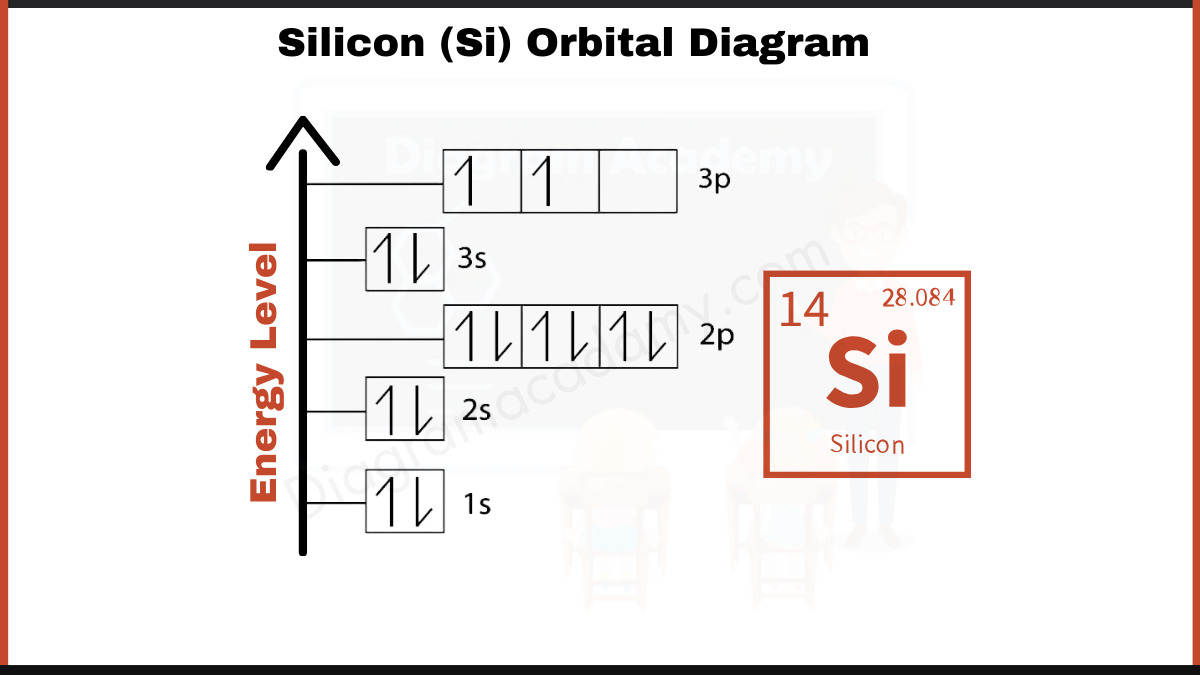
Image Showing Orbital Diagram of Silicon

How to write the Orbital Diagram for Silicon? Silicon (Si) has 14 electrons. They fill shells in a specific order: [2, 8, 4]. This notation represents the number of electrons in each shell. The first shell (1s) holds 2 electrons, the second shell (2s and 2p) holds 8 electrons, and the third shell (3s and … Read more

Categories Chemistry Diagrams Tags Chapter - Orbital Diagrams of Elements Leave a comment

Orbital Diagram of Sulfur

May 4, 2024 by Sana Sehar
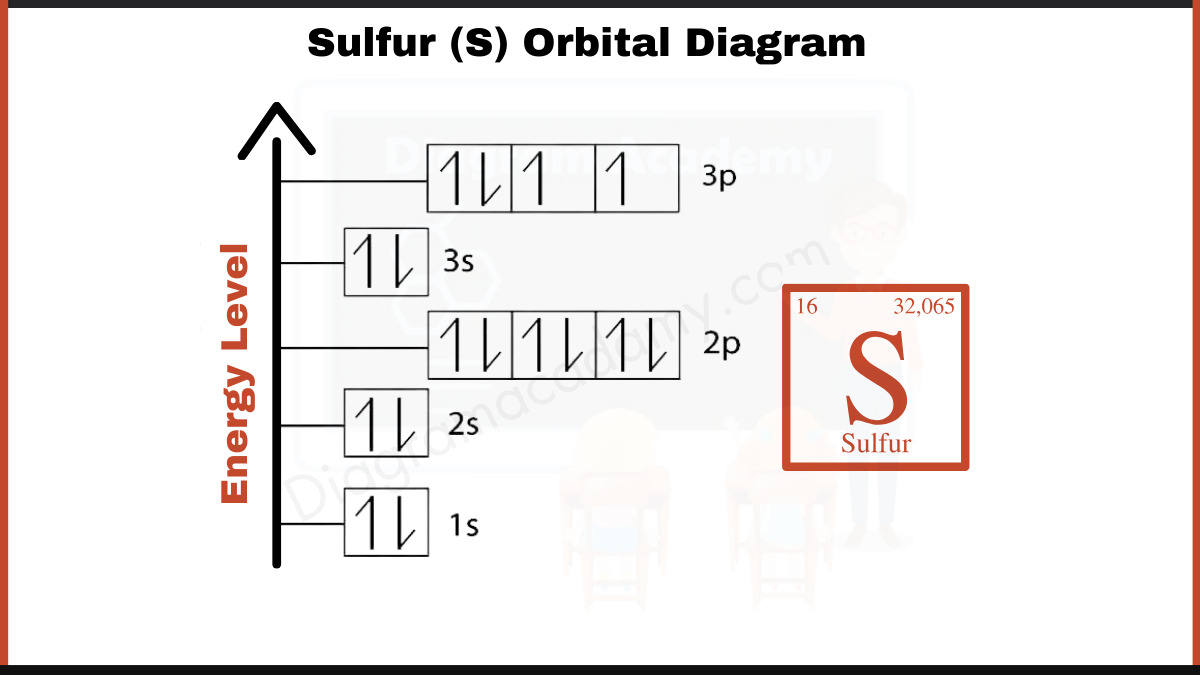
Image showing Orbital Diagram of Sulfur

How to write the Orbital Diagram for Sulfur? Sulfur (S) has 16 electrons. They fill shells in a specific order: [2, 8, 6]. This means the first shell (closest to the nucleus) holds 2 electrons, the second shell holds 8 electrons, and the third shell holds the remaining 6 electrons. This configuration can be used … Read more

Categories Chemistry Diagrams Tags Chapter - Orbital Diagrams of Elements Leave a comment
Older posts
Newer posts
← Previous Page1 Page2 Page3 … Page20 Next →

Recent Posts

  • Sankey Diagram – Definition and Uses
  • Part of Animal Cell Diagram
  • Human Eye Structure Diagram
  • Diagram of Cell Membrane
  • Energy flow in ecosystem diagram

Recent Comments

No comments to show.
© 2026 Diagram Academy: Learn through diagrams of all subjects • Built with GeneratePress