Orbital Diagram of Moscovium

Image showing Orbital Diagram of Moscovium
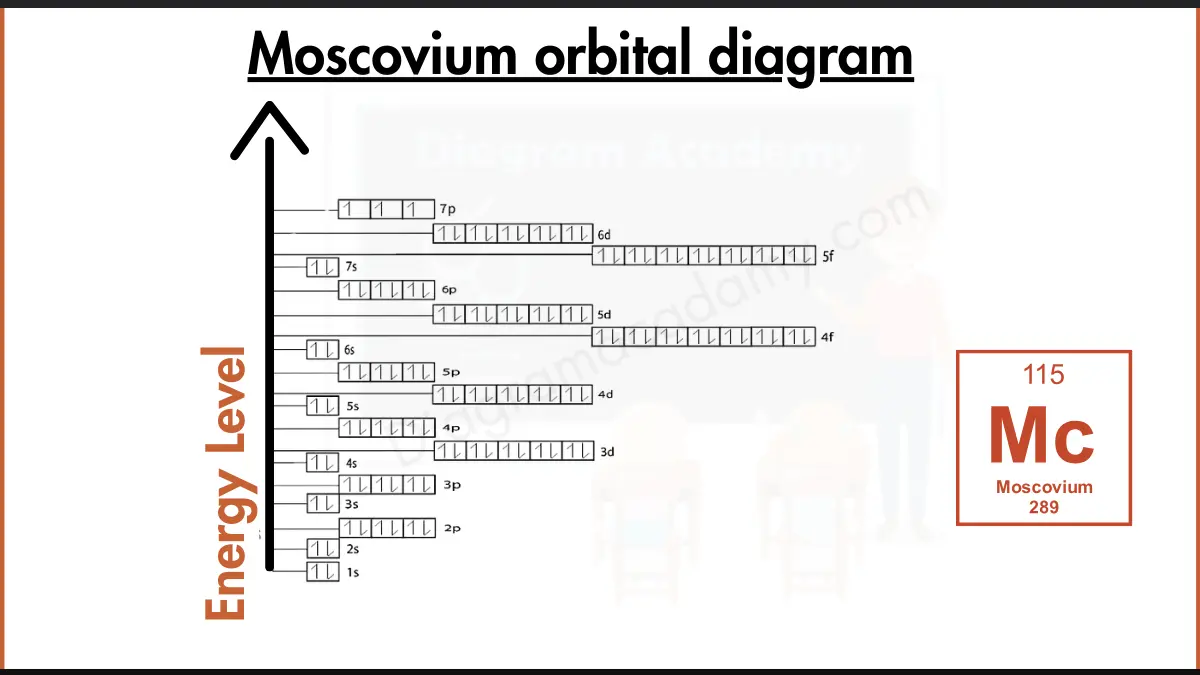
Moscovium (Mc), with 115 electrons, has a predicted electron configuration of [Rn] 5f¹⁴6d¹⁰7s²7p³. Here’s a breakdown:

[Rn]: This shorthand represents the filled electron shells up to Radon (element number 86).
5f¹⁴: This indicates 14 electrons filling the 5f subshell.
6d¹⁰: This shows 10 electrons filling the 6d subshell.
7s²: Two electrons occupy the 7s subshell.
7p³: Three electrons reside in the 7p subshell.
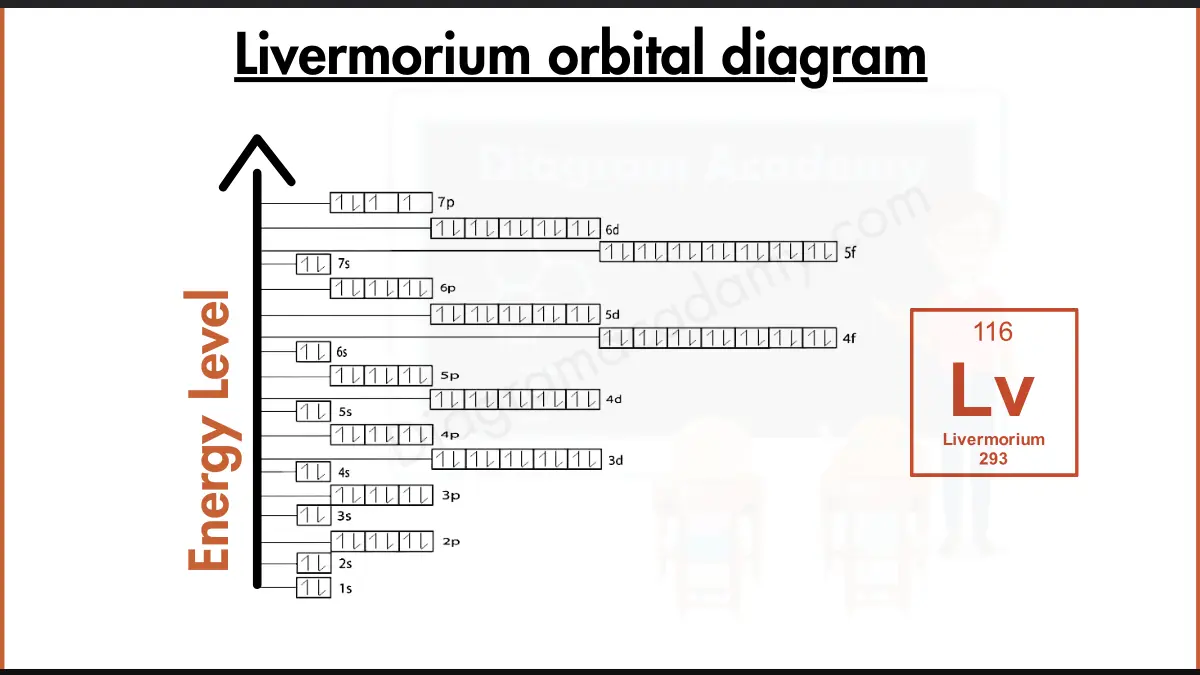
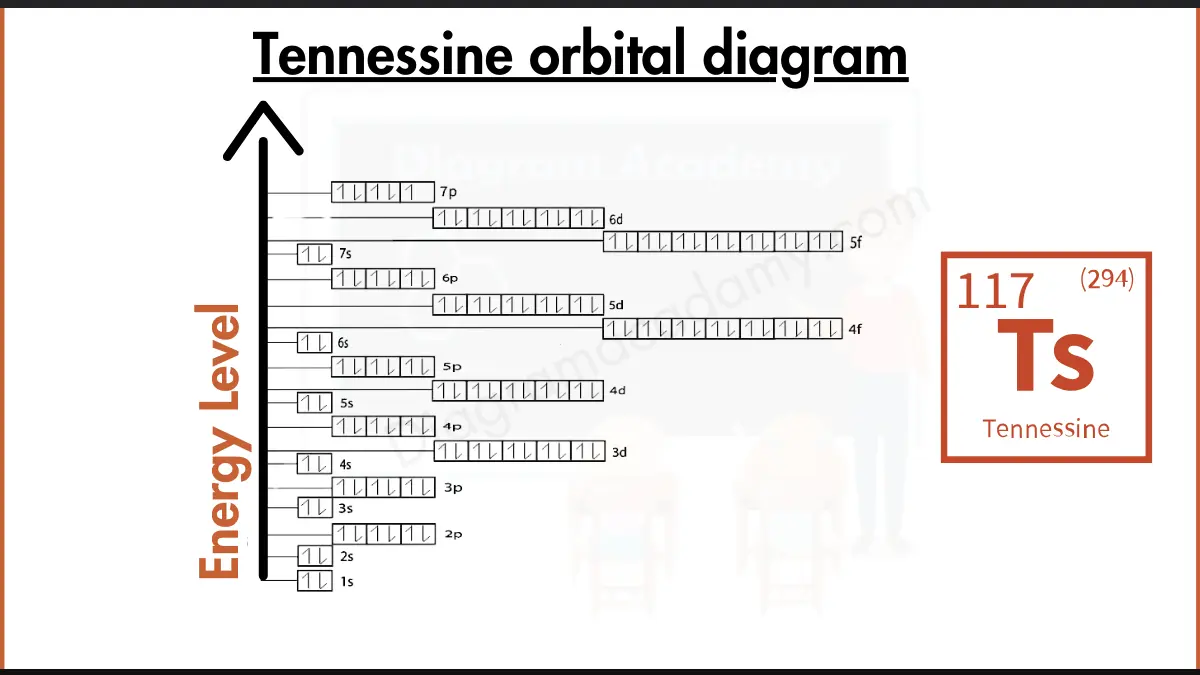
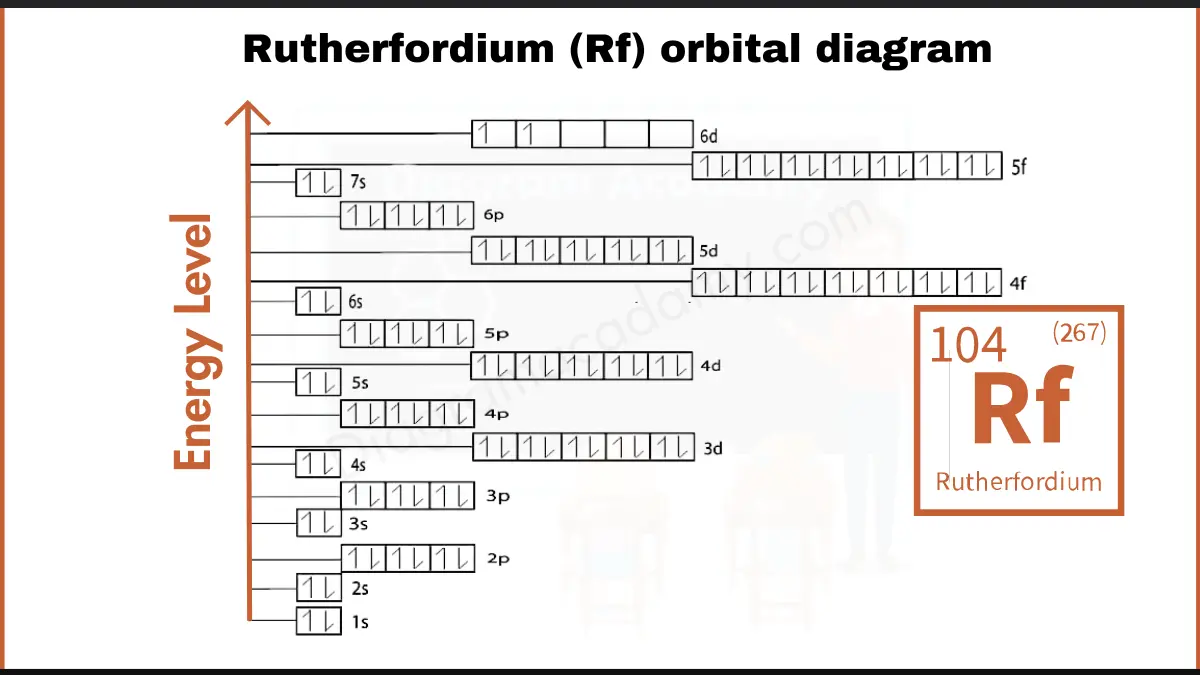
Orbital Diagram of Rutherfordium

Image showing Orbital Diagram of Rutherfordium

How to write Orbital Diagram of Rutherfordium? Rutherfordium (Rf), with 104 electrons, has a complex configuration: [Rn] 5f¹⁴ 6d² 7s². The key to its bonding behavior lies in the partially filled 6d subshell, holding just two electrons (6d²). This incomplete configuration, unlike the stable outer shells of some heavier elements, is believed to influence Rutherfordium’s … Read more

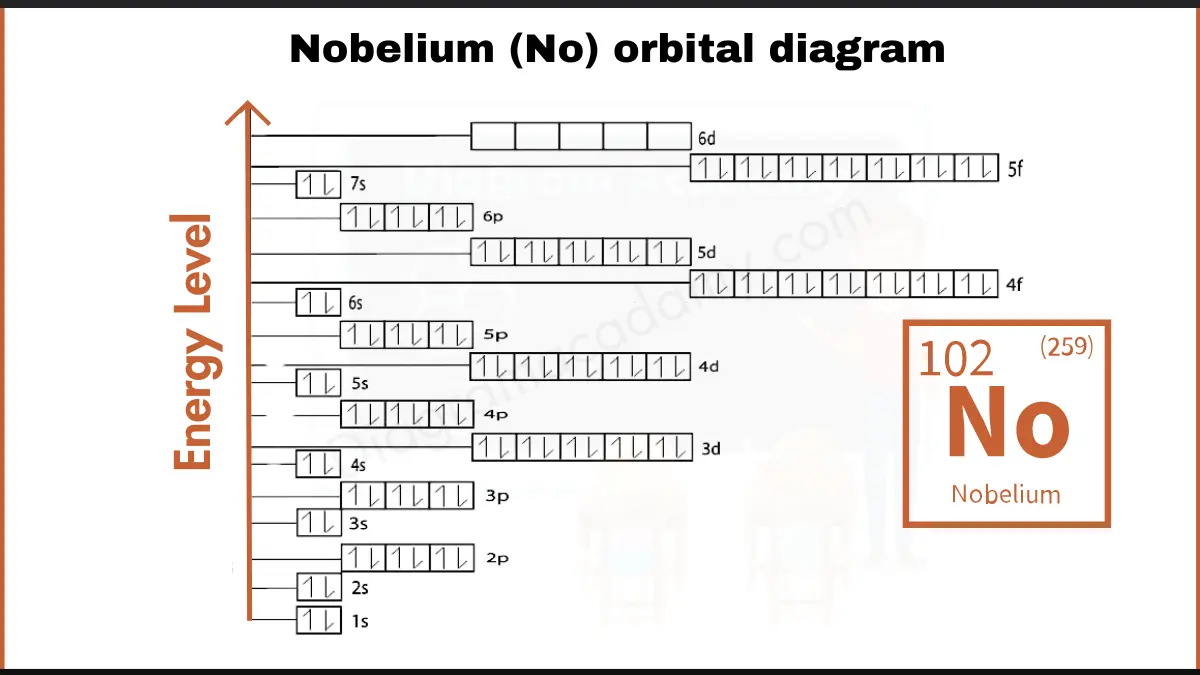
Orbital Diagram of Nobelium

Image showing Orbital Diagram of Nobelium

How to write Orbital Diagram of Nobelium? Nobelium (No), with 102 electrons, possesses a complex configuration: [Rn] 5f¹⁴ 7s². Unlike some heavier elements, the key to its bonding behavior lies in the outermost 7s subshell, holding a stable set of two electrons (7s²). This configuration is believed to influence Nobelium’s unique bonding properties.

Orbital Diagram of Fermium

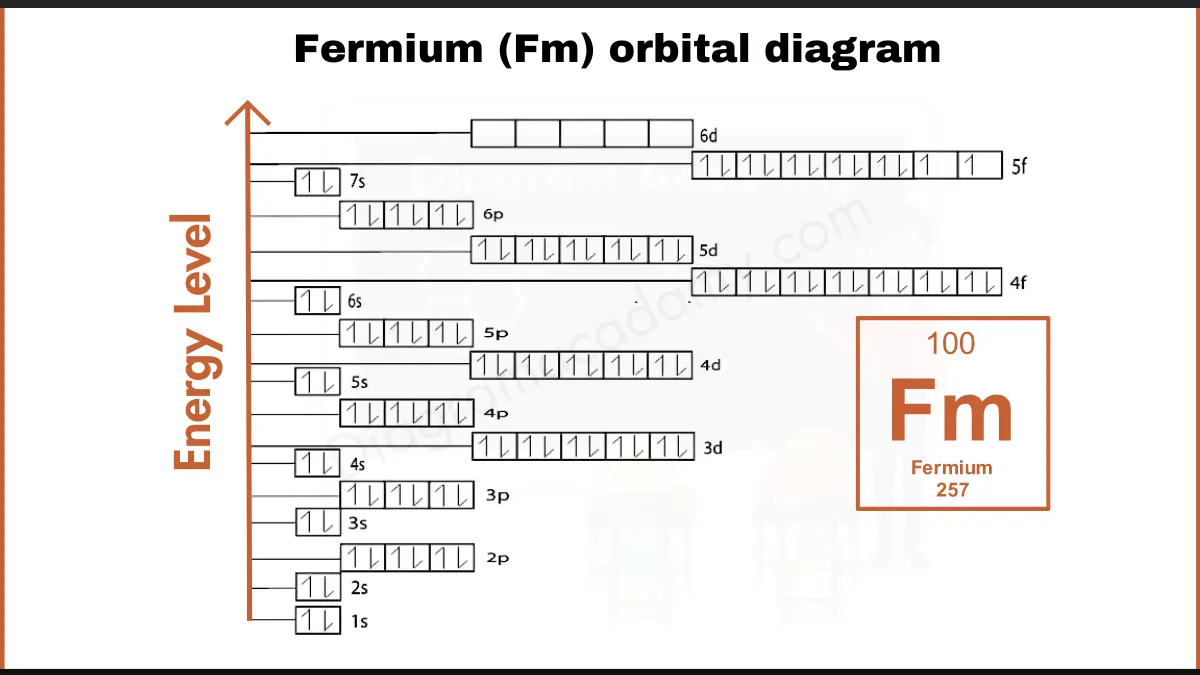
Image showing Orbital Diagram of Fermium

How to write Orbital Diagram of Fermium? Fermium (Fm), with 100 electrons, possesses a complex configuration: [Rn] 5f¹² 7s². The key to its bonding behavior lies in the outermost 7s subshell, which holds two electrons (7s²). This configuration, unlike the incomplete 6d subshells of other heavy elements, influences Fermium’s unique bonding properties.