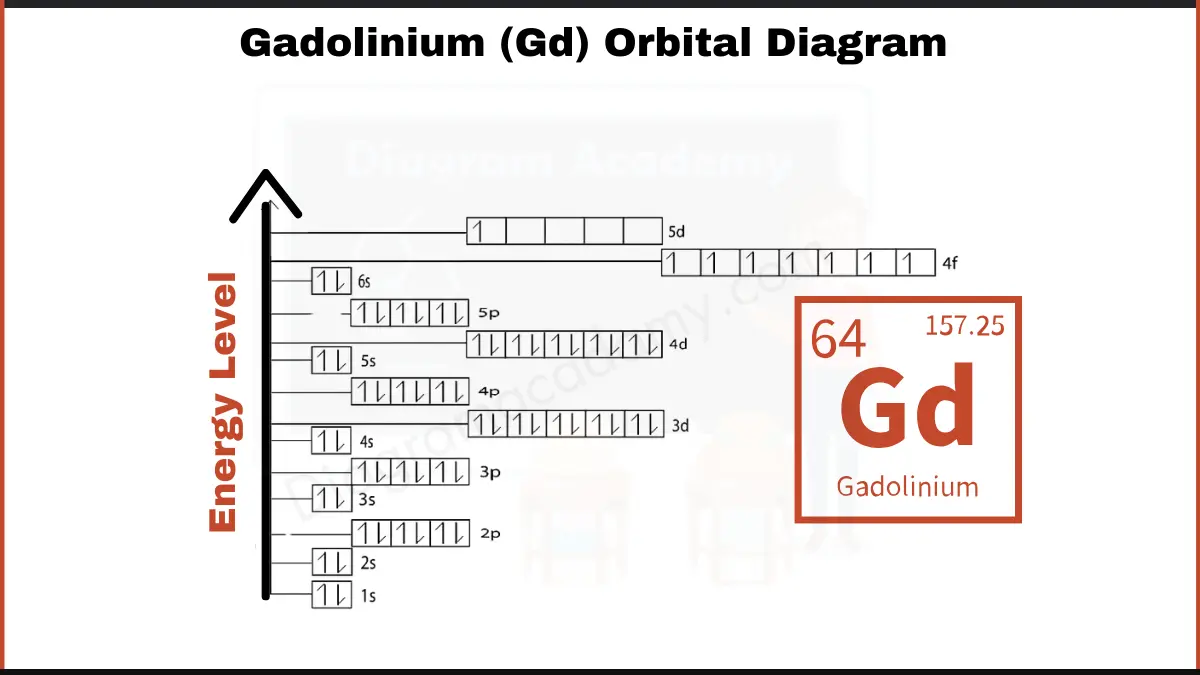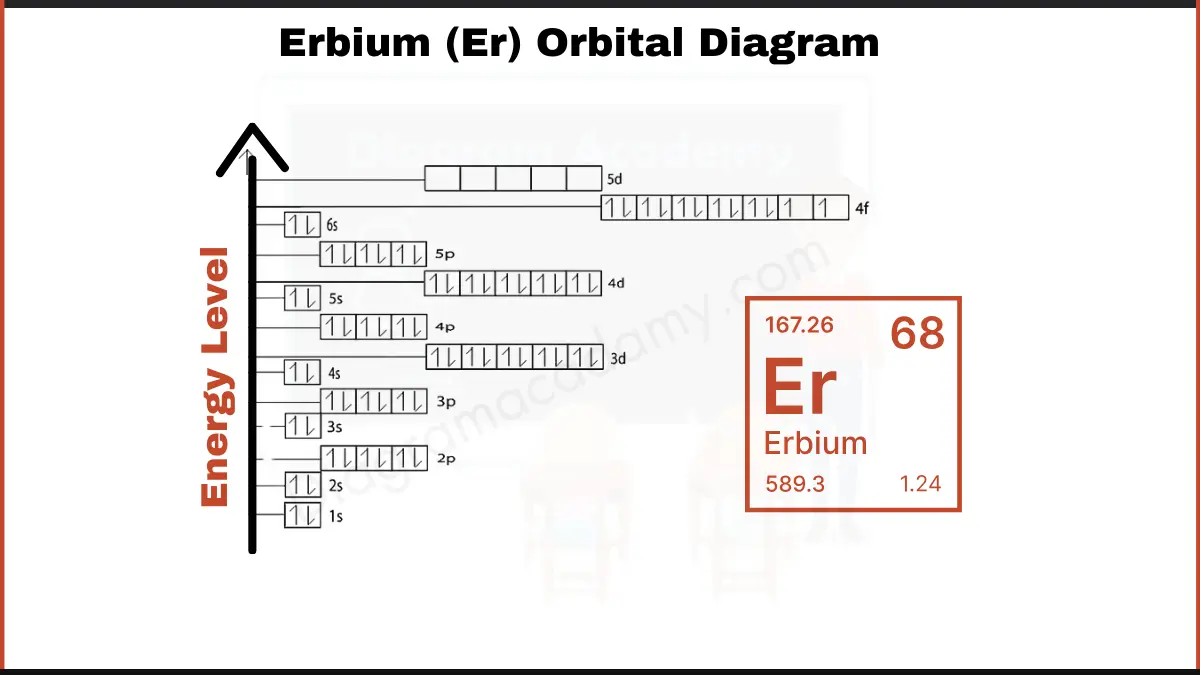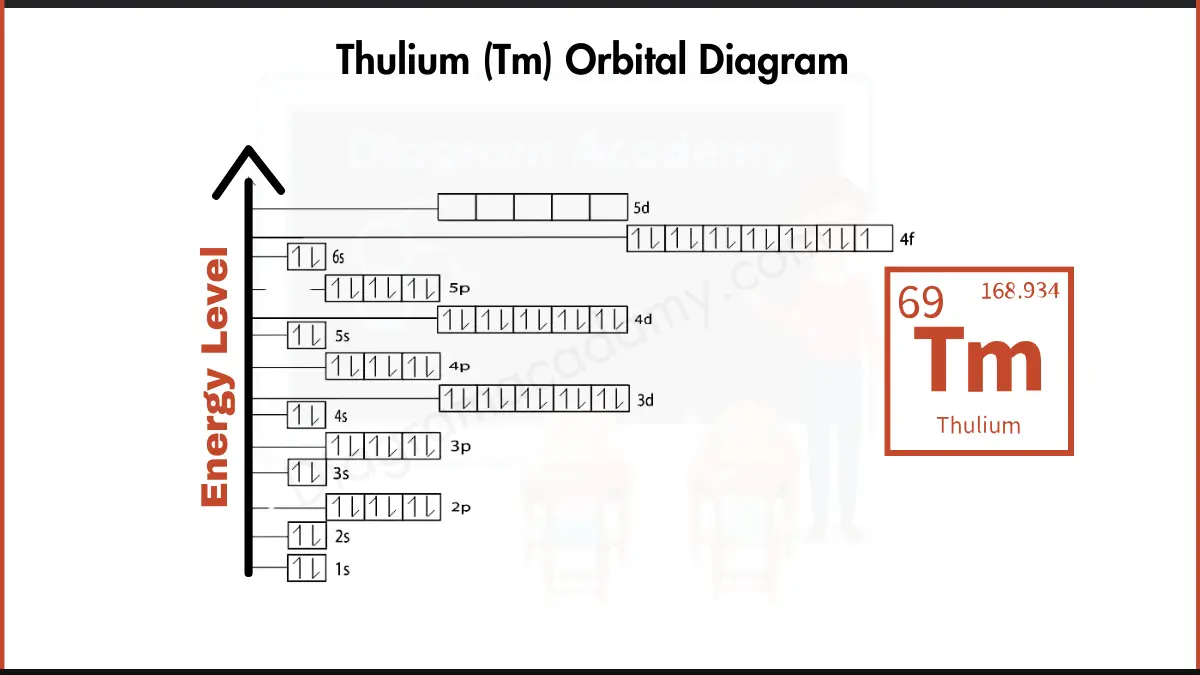
Orbital Diagram of Gadolinium

Image showing Orbital Diagram of Gadolinium

How to Write the Orbital Diagram for Gadolinium? Gadolinium (Gd) packs 64 electrons around its nucleus. These electrons fill shells in a specific order, but a simpler way to look at it focuses on the outer electrons. Like other lanthanides, Gadolinium has 7 electrons filling its 4f subshell and 2 electrons in the outermost shell, … Read more

Orbital Diagram of Dysprosium

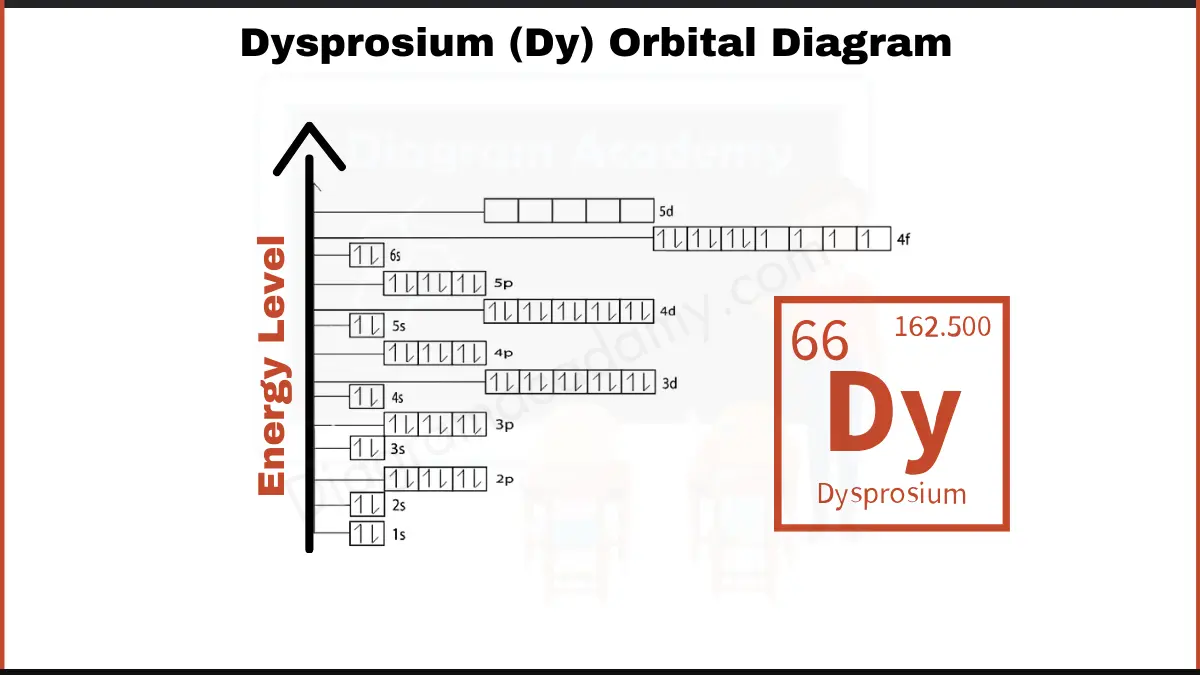
Image Showing Orbital Diagram of Dysprosium

How to Write the Orbital Diagram for Dysprosium? Dysprosium (Dy) has 66 electrons orbiting its nucleus. These electrons fill shells in a specific order. Imagine these shells as layers around the nucleus. A simpler way to describe the arrangement is by focusing on the outer electrons. Dysprosium, similar to other lanthanides, has 10 electrons in … Read more

Orbital Diagram of Tellurium

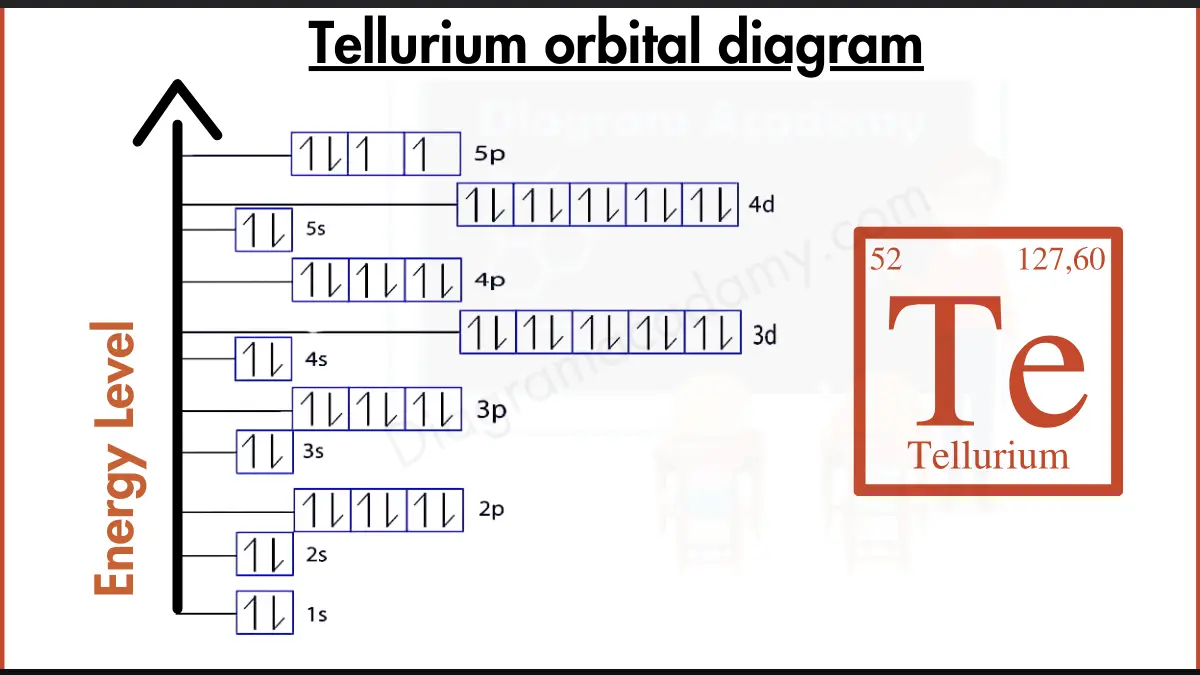
Image showing Orbital Diagram of Tellurium

outer shell of Tellurium (Te) holds six electrons, written as [Kr] 4d¹⁰ 5s² 5p⁴. This configuration shows Tellurium has some ways to go for ultimate stability. While the 4d subshell is filled and the 5s subshell holds two electrons, the 5p subshell isn’t completely full. This incomplete outer shell, compared to noble gases with packed outer shells, makes Tellurium more reactive. Tellurium seeks to gain two more electrons to fill its 5p subshell and achieve the stability enjoyed by its noble gas neighbors.

Orbital Diagram of Xenon

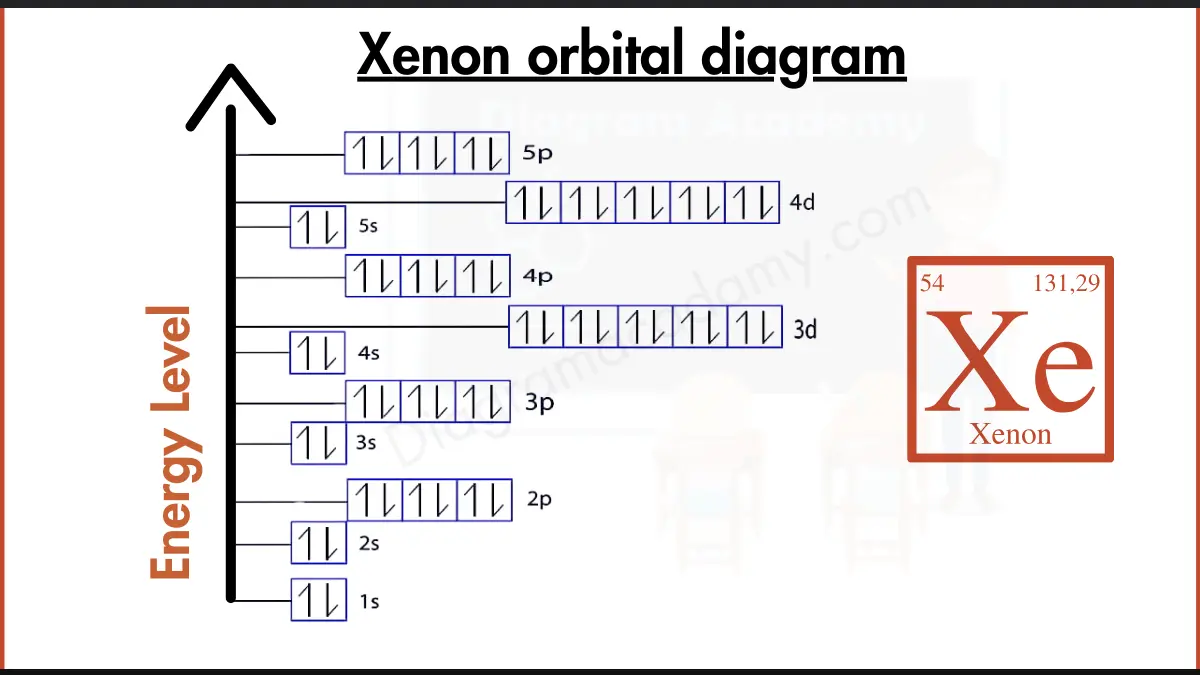
Image showing Orbital Diagram of Xenon

Xenon (Xe) throws a perfect strike in the game of noble gas stability. Its electron configuration, [Kr] 4d¹⁰ 5s² 5p⁶, boasts a completely filled outer shell. This configuration, with electrons occupying all six spots in the 5p subshell, mirrors other noble gases like Krypton (Kr). This complete outer shell is the key to Xenon’s unreactive nature. Just like other members of the noble gas club, Xenon has no need to gain or lose electrons to achieve a stable state, making it very stable and resistant to forming bonds

Orbital Diagram of Silver

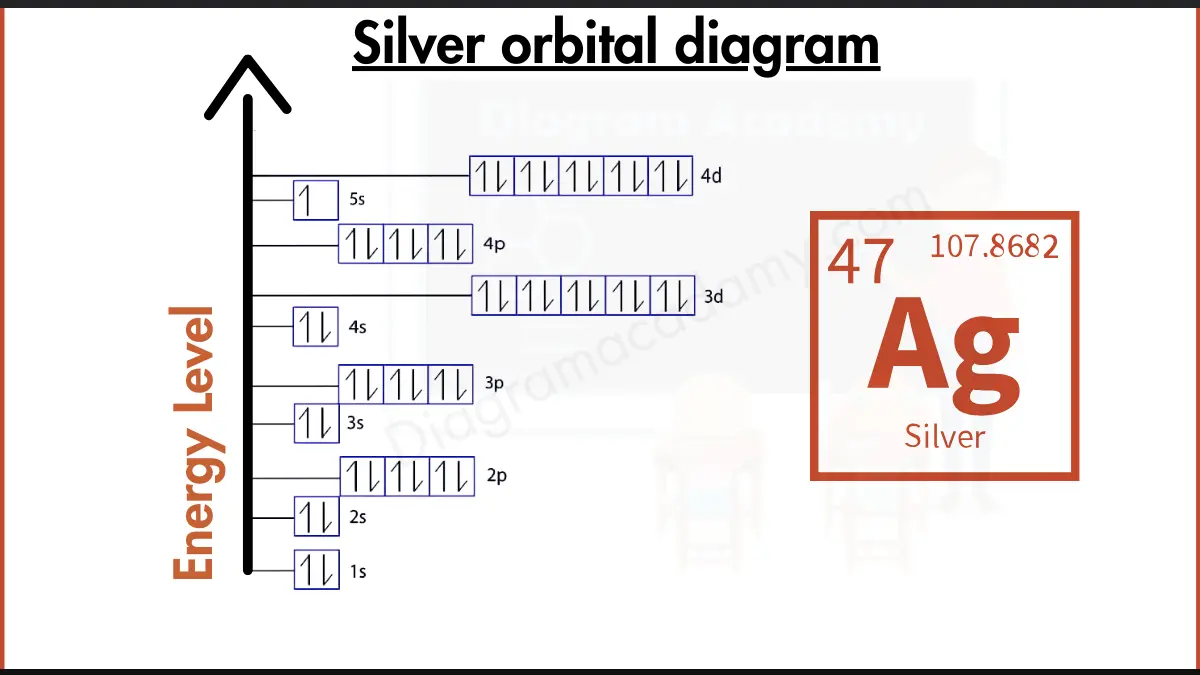
Image showing Orbital Diagram of Silver

Silver (Ag) shines bright with a stable outer shell, similar to the noble gases. Its electron configuration, written as [Kr] 4d¹⁰ 5s¹, showcases a peculiarity. Even though transition metals like Silver typically have partially filled d-orbitals, Silver gains extra stability by completely filling its 4d subshell before placing an electron in the 5s subshell. This unique arrangement, with a full 4d subshell and a single electron in the 5s, makes Silver more stable than most transition metals and contributes to its low reactivity, resembling the behavior of the noble gases with their full outer shells.