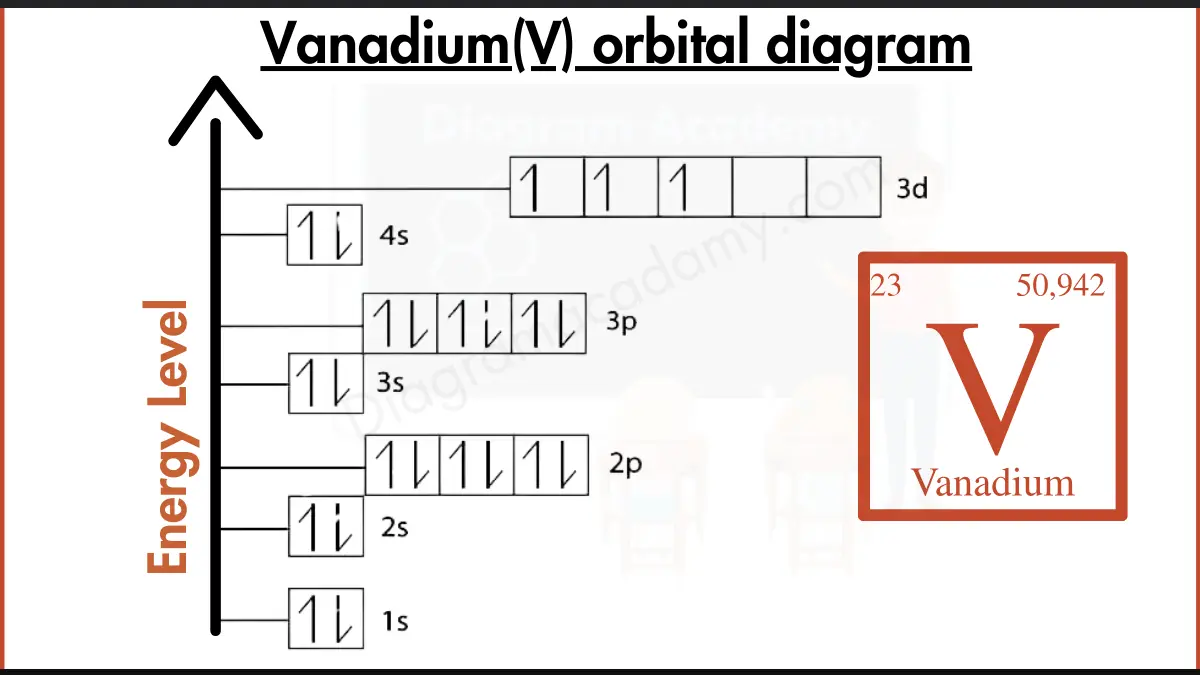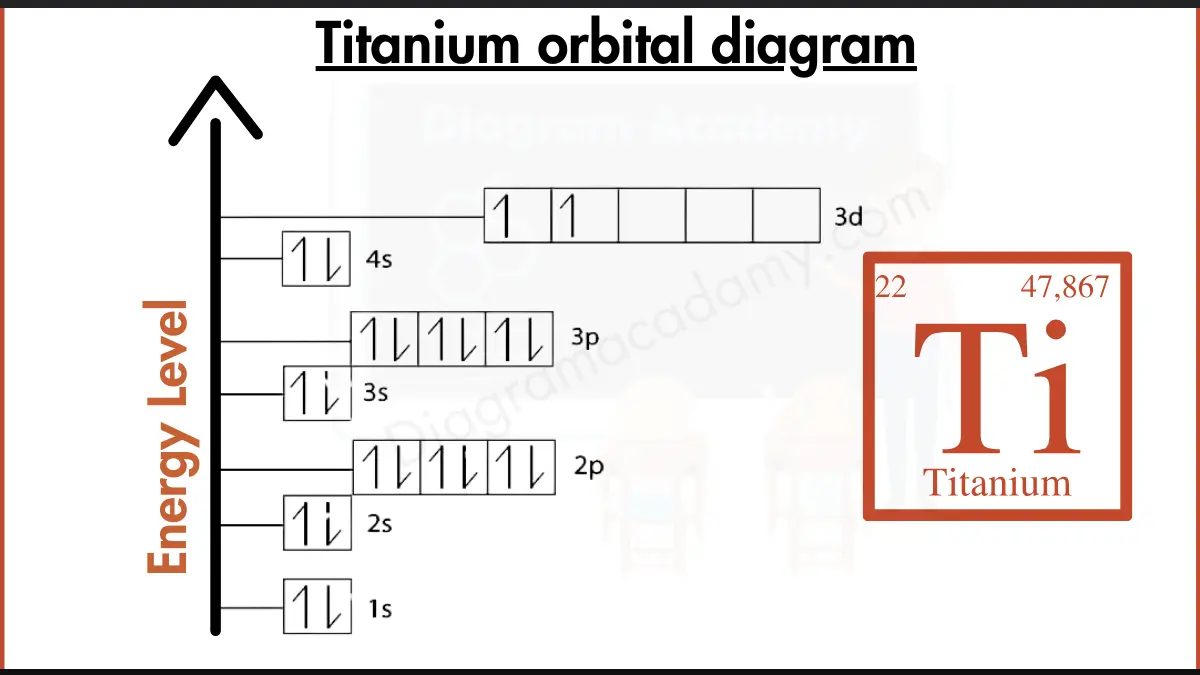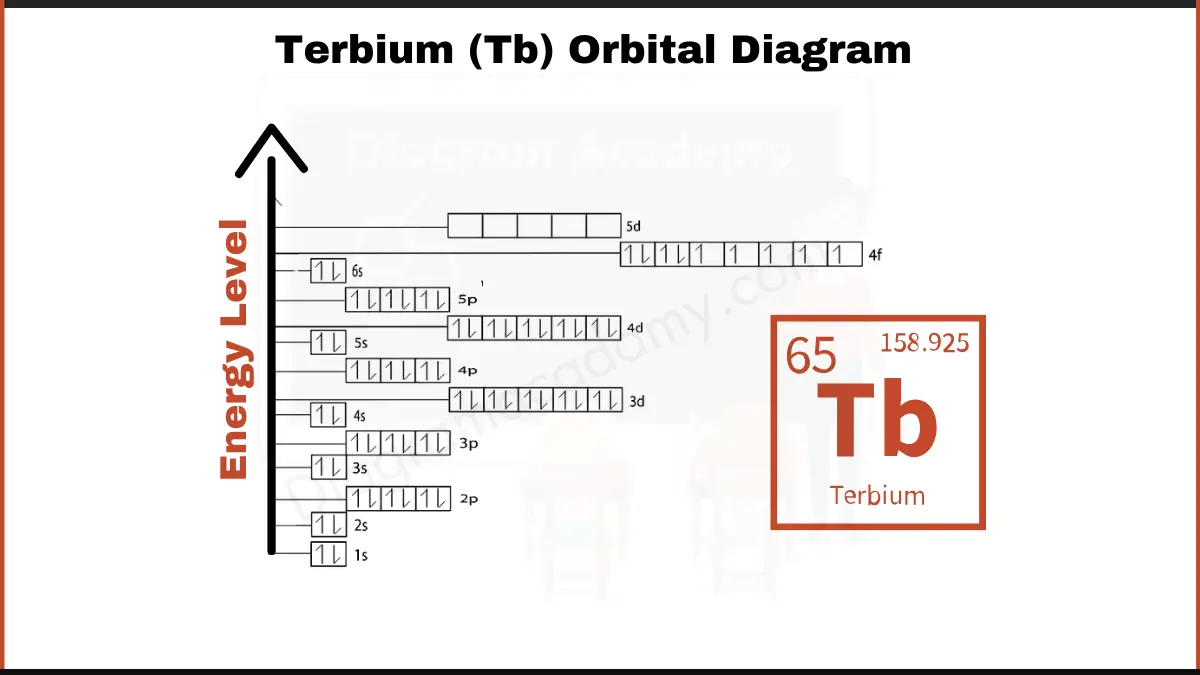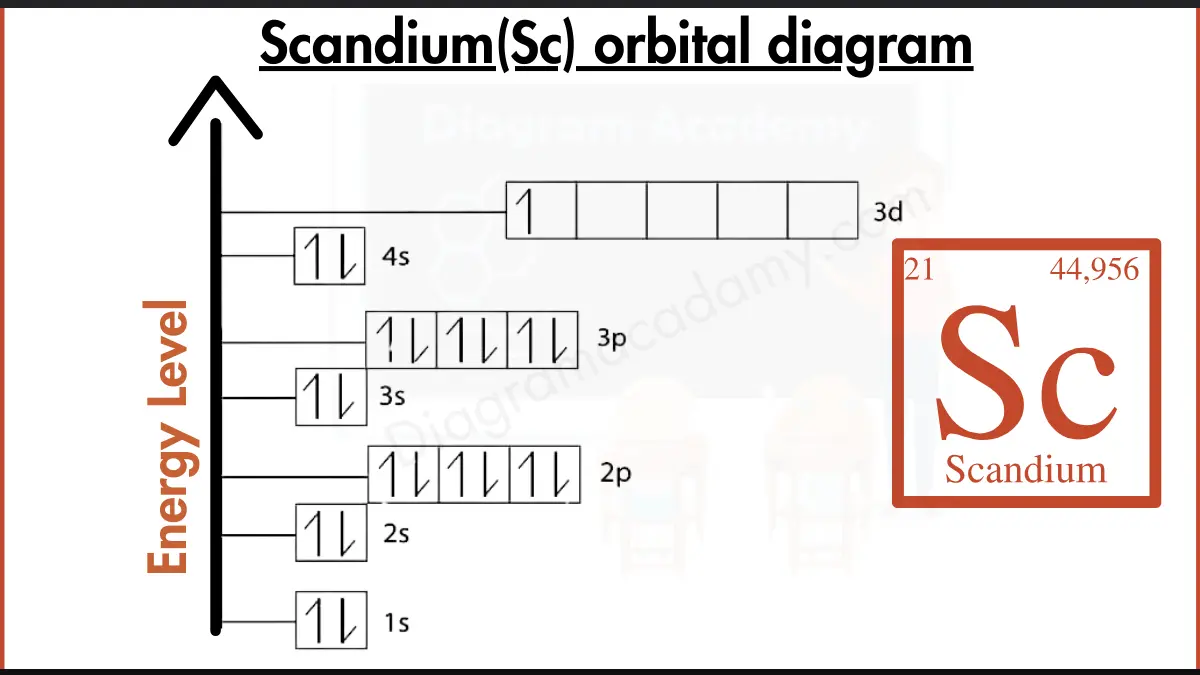
Orbital diagram of Scandium

Orbital diagram of scandium showing electron distribution across energy levels including 3d and 4s orbitals

What Does an Orbital Diagram Represent for Scandium? The scandium orbital diagram visually shows how electrons are arranged in the orbitals of a scandium atom. Instead of a simple electron list, the orbital diagram for scandium uses boxes for orbitals and arrows for electrons, making it easier to understand electron pairing and energy levels. Which … Read more

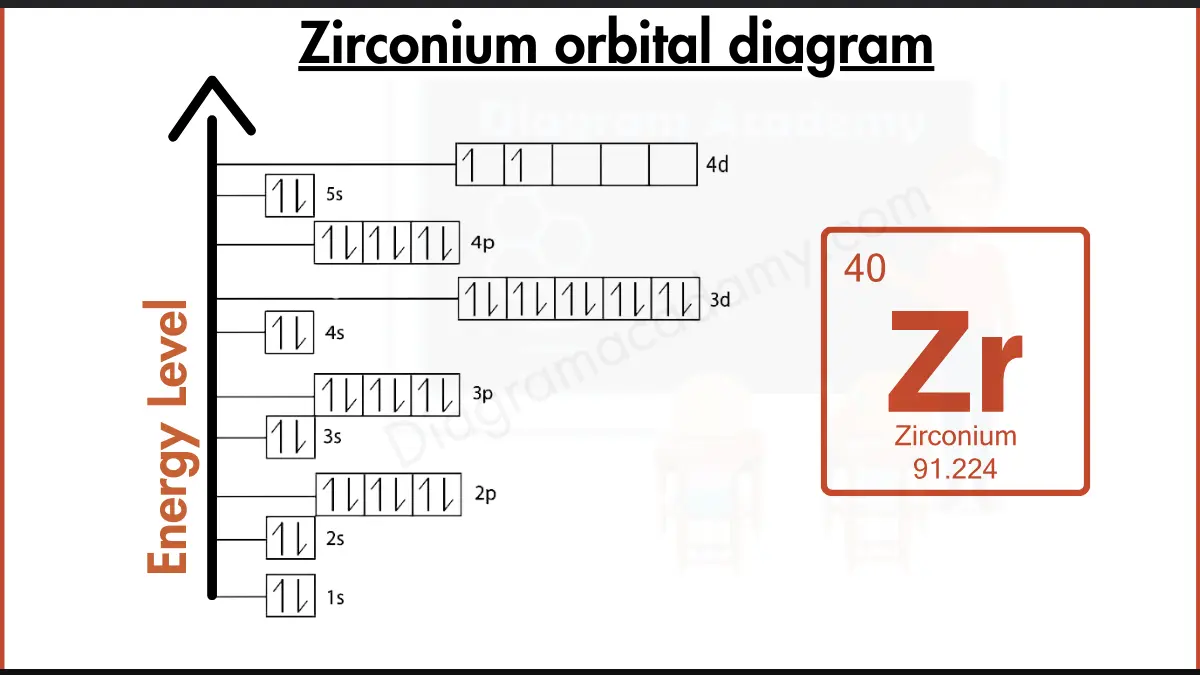
Orbital Diagram of Zirconium

Image showing Orbital Diagram of Zirconium

Zirconium (Zr) isn’t a party crasher, but it doesn’t quite join the noble gas club either. Its outer shell holds electrons in both the 4d and 5s subshells ([Kr] 4d² 5s²), leaving it incomplete. This partial filling, unlike the stable full shells of noble gases, makes Zirconium more reactive. However, it’s slightly more stable than some neighbors due to the filled inner shells represented by [Kr].

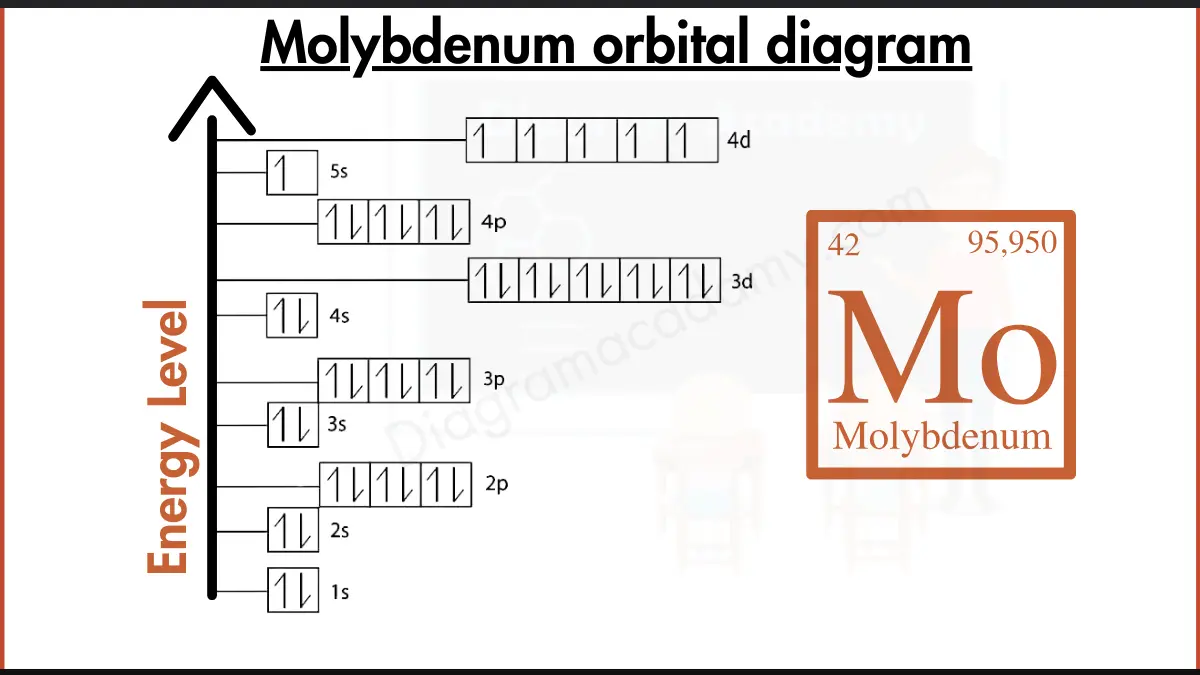
Orbital Diagram of Molybdenum

Image showing Orbital Diagram of Molybdenum

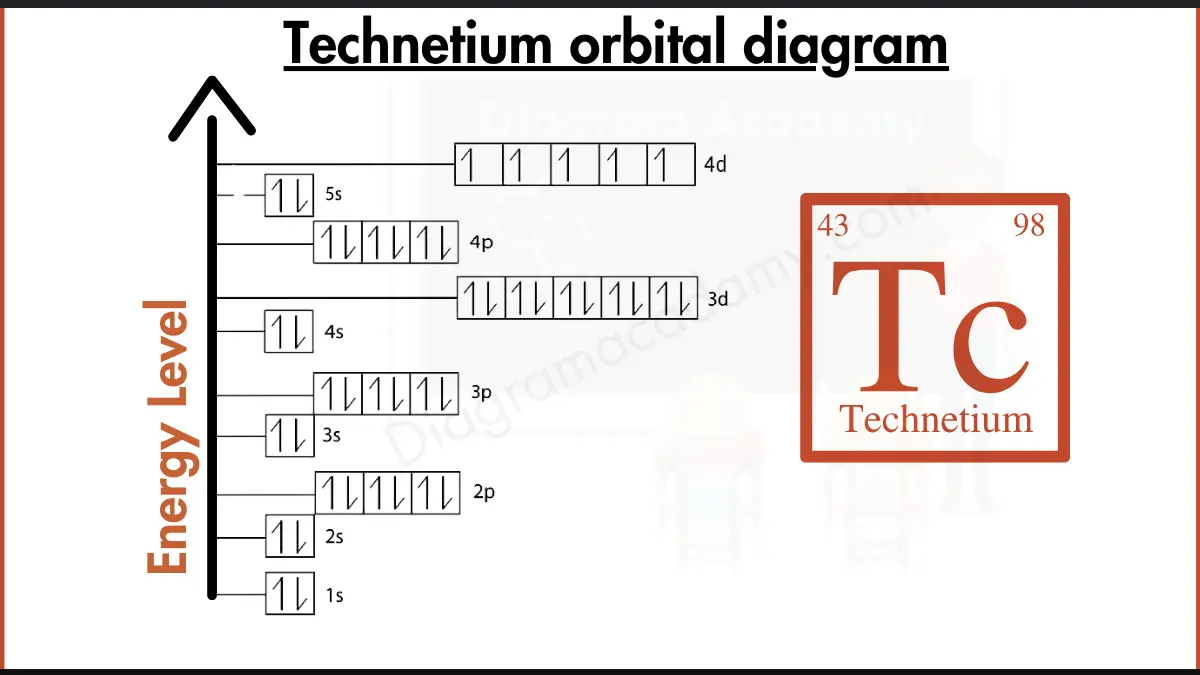
Molybdenum (Mo) joins the club of reactive metals. Its outer shell isn’t full, containing electrons in both the 4d and 5s subshells ([Kr] 4d⁵ 5s¹). This incomplete configuration, similar to Technetium (Tc), makes Molybdenum more reactive compared to the stable, full outer shells of noble gases. It seeks to reach a more stable state by gaining or losing electrons to achieve a filled outer shell.