Orbital Diagram of Molybdenum

Image showing Orbital Diagram of Molybdenum
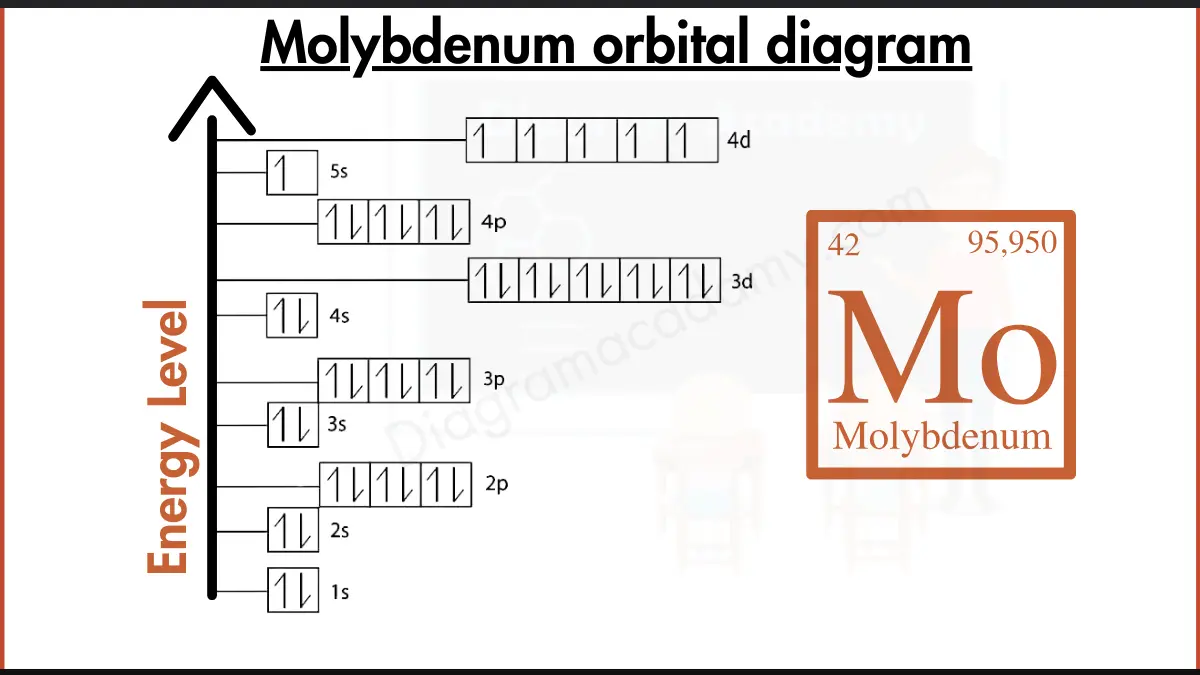
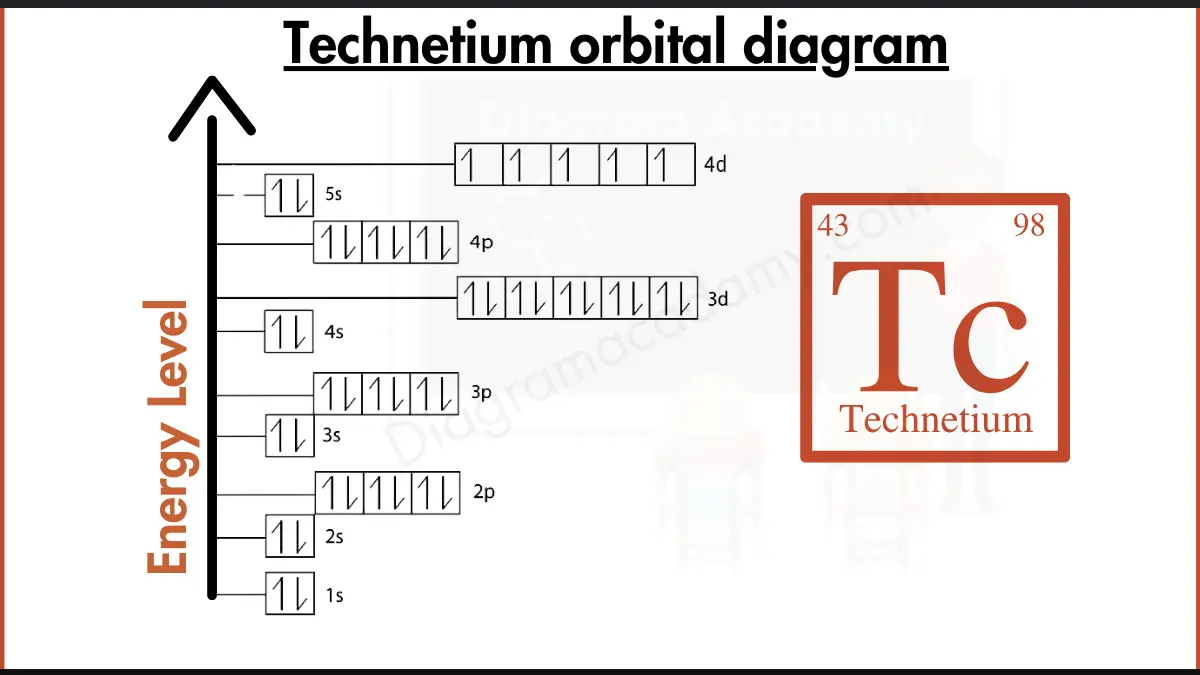
Molybdenum (Mo) joins the club of reactive metals. Its outer shell isn’t full, containing electrons in both the 4d and 5s subshells ([Kr] 4d⁵ 5s¹). This incomplete configuration, similar to Technetium (Tc), makes Molybdenum more reactive compared to the stable, full outer shells of noble gases. It seeks to reach a more stable state by gaining or losing electrons to achieve a filled outer shell.
Orbital Diagram of Gadolinium

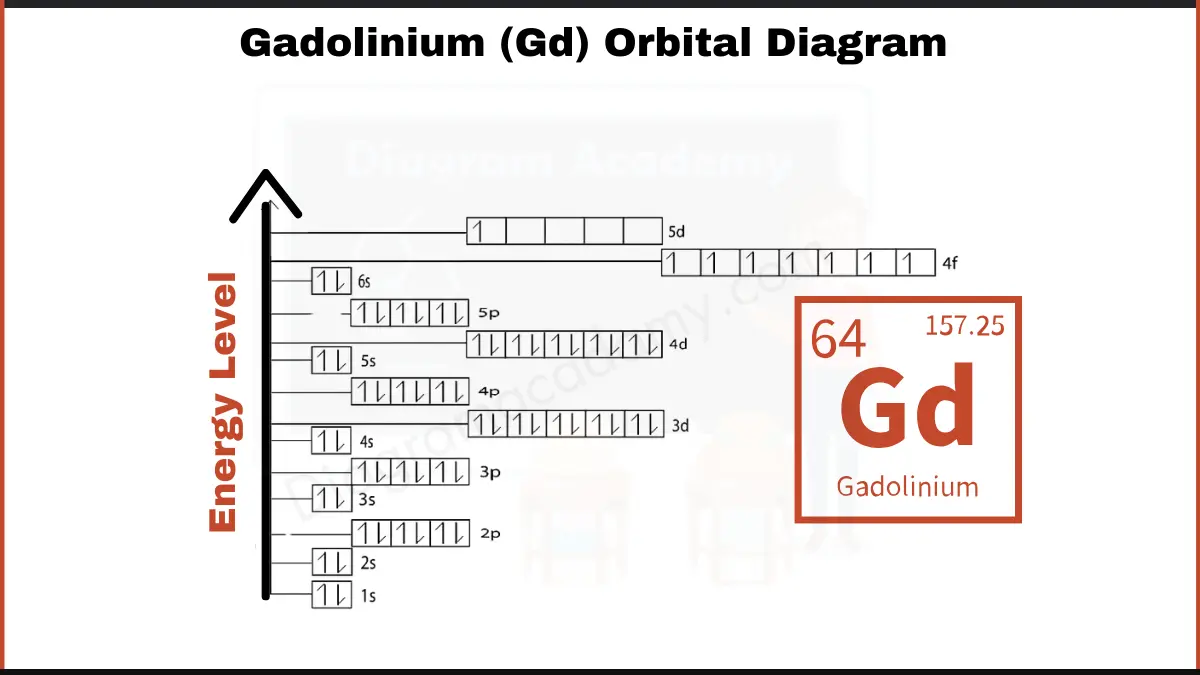
Image showing Orbital Diagram of Gadolinium

How to Write the Orbital Diagram for Gadolinium? Gadolinium (Gd) packs 64 electrons around its nucleus. These electrons fill shells in a specific order, but a simpler way to look at it focuses on the outer electrons. Like other lanthanides, Gadolinium has 7 electrons filling its 4f subshell and 2 electrons in the outermost shell, … Read more

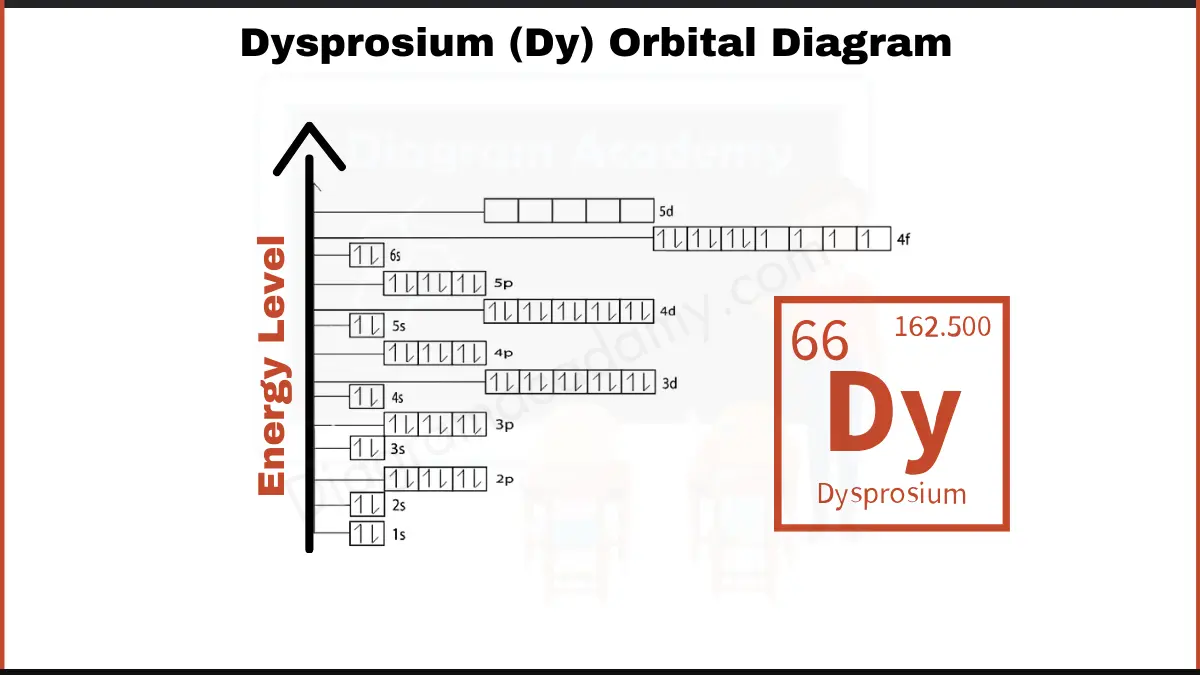
Orbital Diagram of Dysprosium

Image Showing Orbital Diagram of Dysprosium

How to Write the Orbital Diagram for Dysprosium? Dysprosium (Dy) has 66 electrons orbiting its nucleus. These electrons fill shells in a specific order. Imagine these shells as layers around the nucleus. A simpler way to describe the arrangement is by focusing on the outer electrons. Dysprosium, similar to other lanthanides, has 10 electrons in … Read more