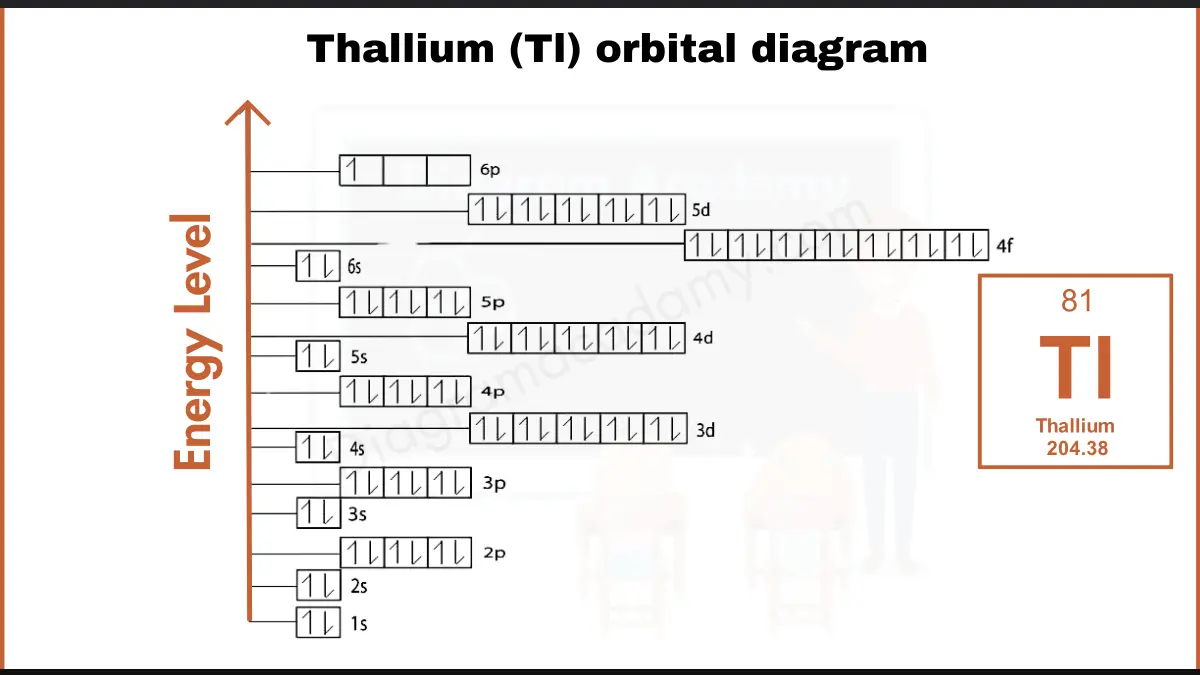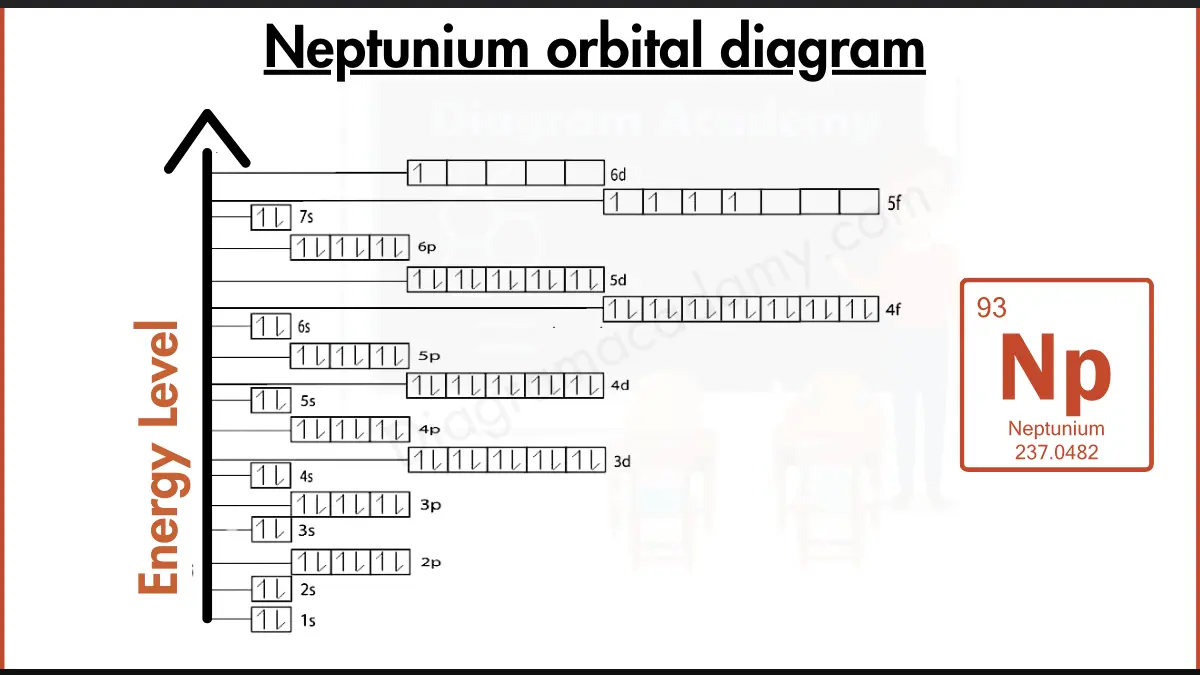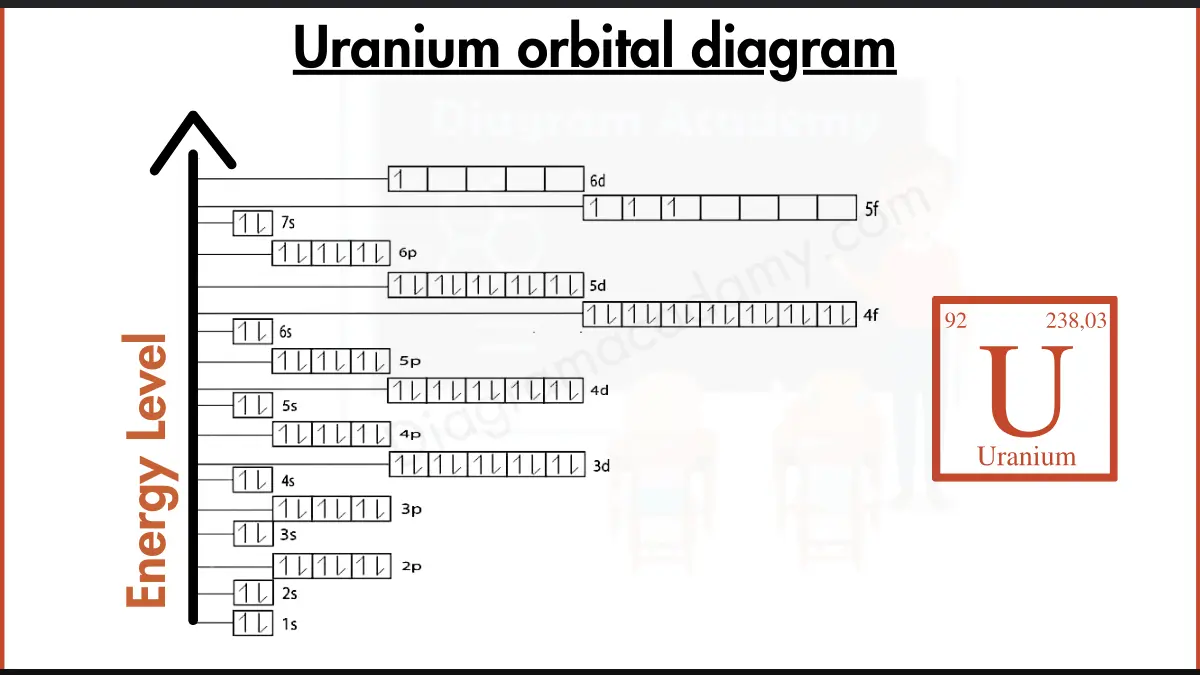
Orbital Diagram of Palladium

Image showing Orbital Diagram of Palladium
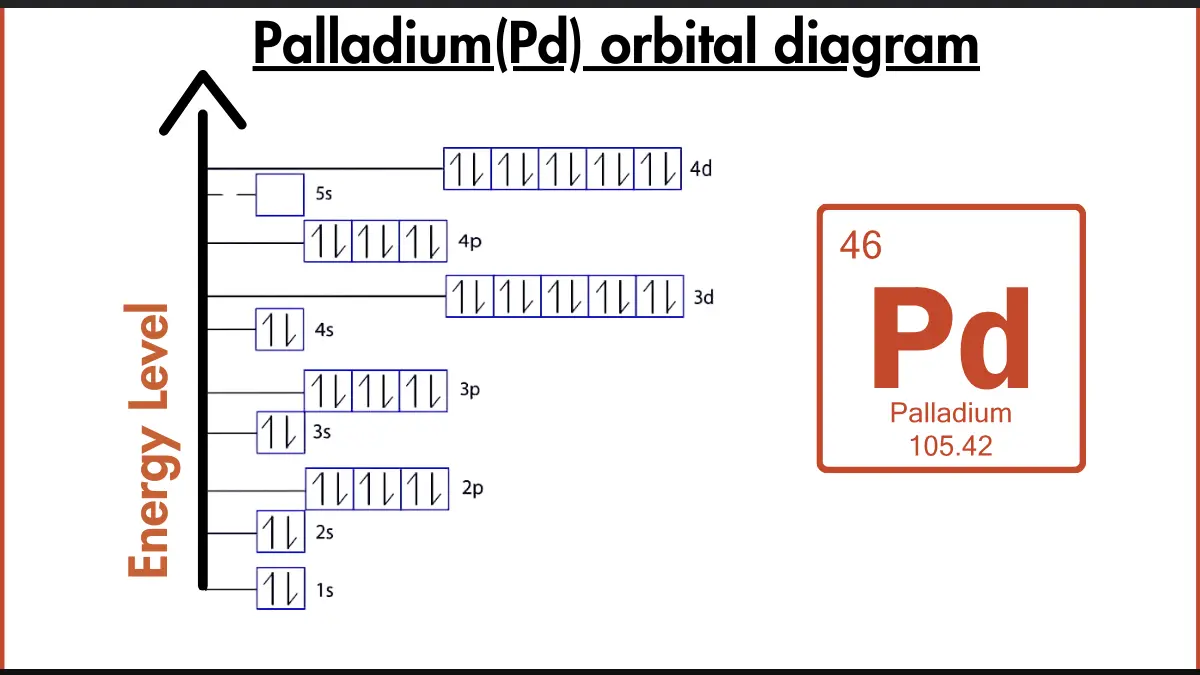
Palladium (Pd) plays a bit fast and loose with the textbook rules. While most transition metals have partially filled d-orbitals, Palladium goes for stability. Its electron configuration, [Kr] 4d¹⁰, shows a completely filled 4d subshell. This isn’t typical, but it makes Palladium more stable for it. So, even though it’s not like the noble gases with full outer shells, Palladium prioritizes stability with its electron arrangement
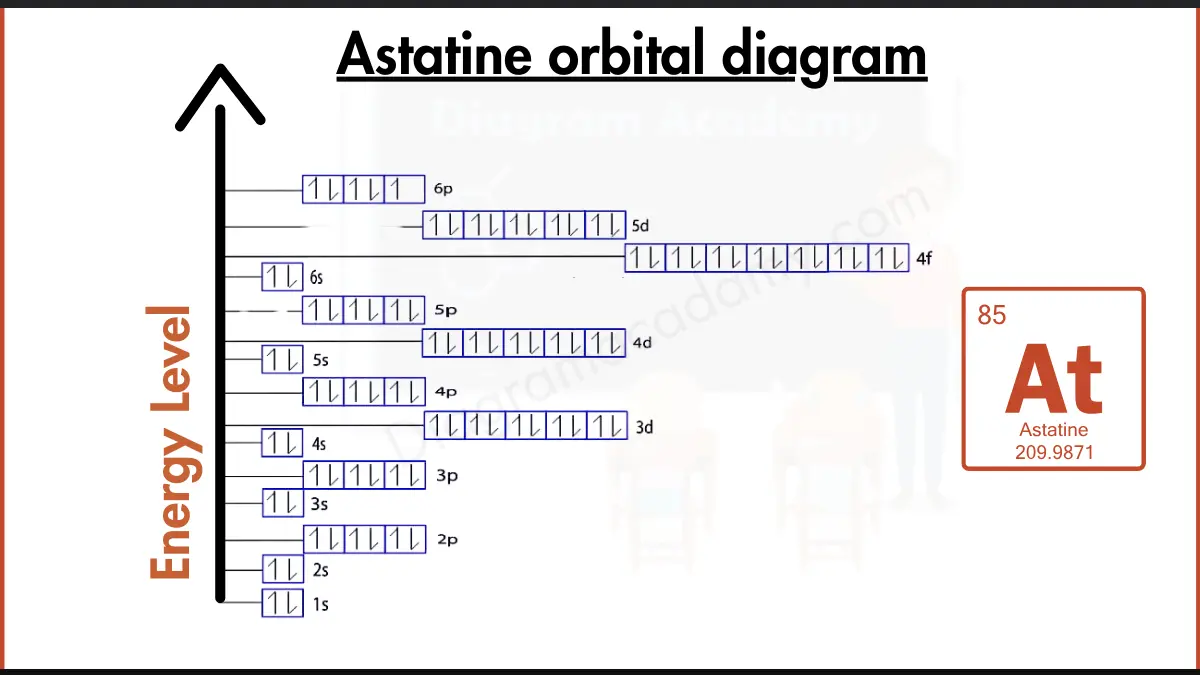
Orbital Diagram of Astatine

Image showing Orbital Diagram of Astatine

Astatine (At) joins the party with the halogens. Its outer shell isn’t quite full, holding five electrons in the 6p subshell ([Xe] 4f¹⁴ 5d¹⁰ 6s² 6p⁵). This incomplete configuration, similar to other halogens like Chlorine (Cl), makes Astatine very reactive. Unlike the noble gases with packed outer shells, Astatine seeks to form bonds to achieve stability.

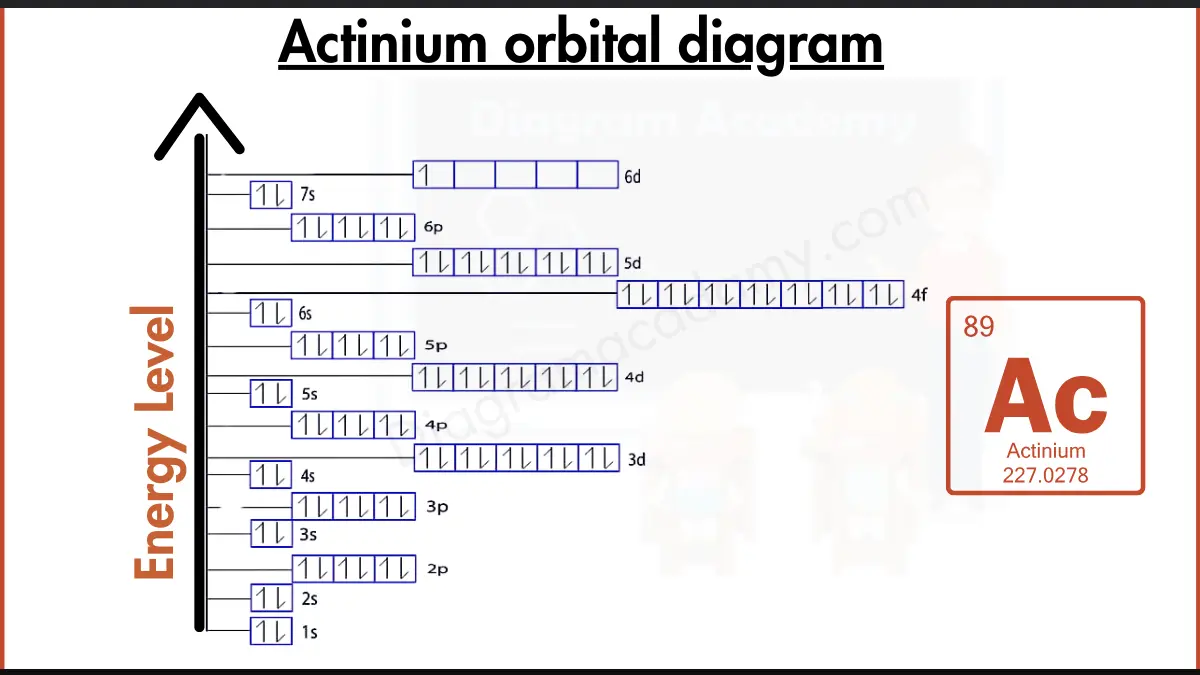
Orbital Diagram of Actinium

actinium orbital diagram showing electron configuration and energy levels

Actinium (Ac) stands out from the others. Unlike its heavier neighbors, Actinium has a mostly filled outer shell, with electrons in the 6d and 7s subshells ([Rn] 6d¹ 7s²). This configuration, closer to noble gases, hints at some stability, but the presence of an electron in the 6d subshell suggests Actinium might be slightly more reactive than a true noble gas